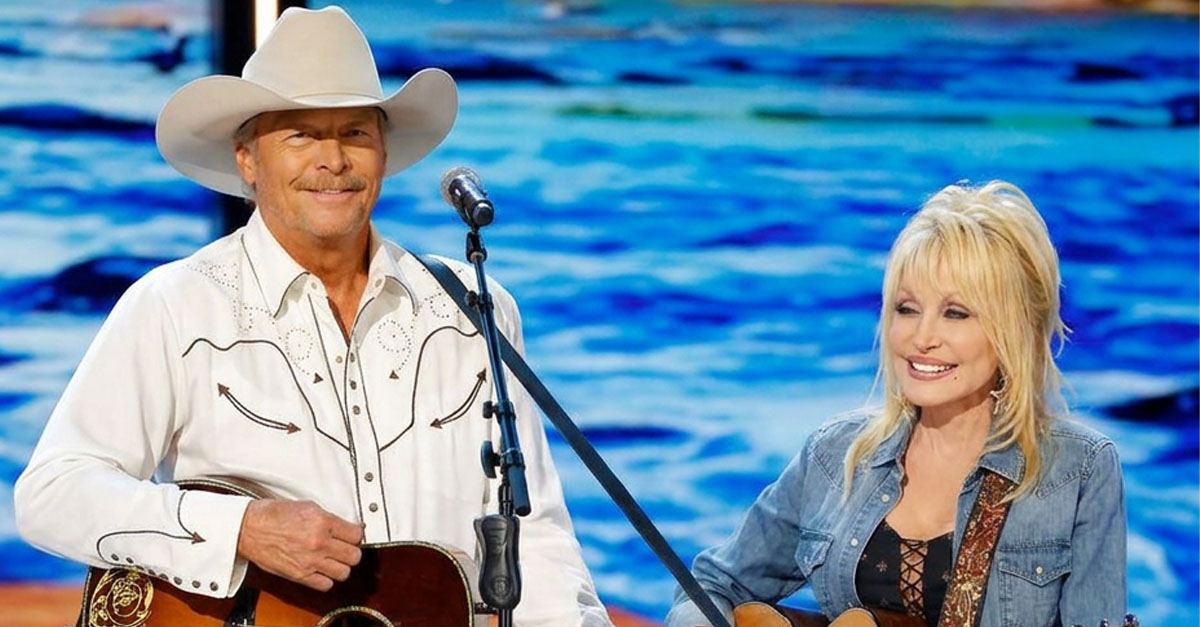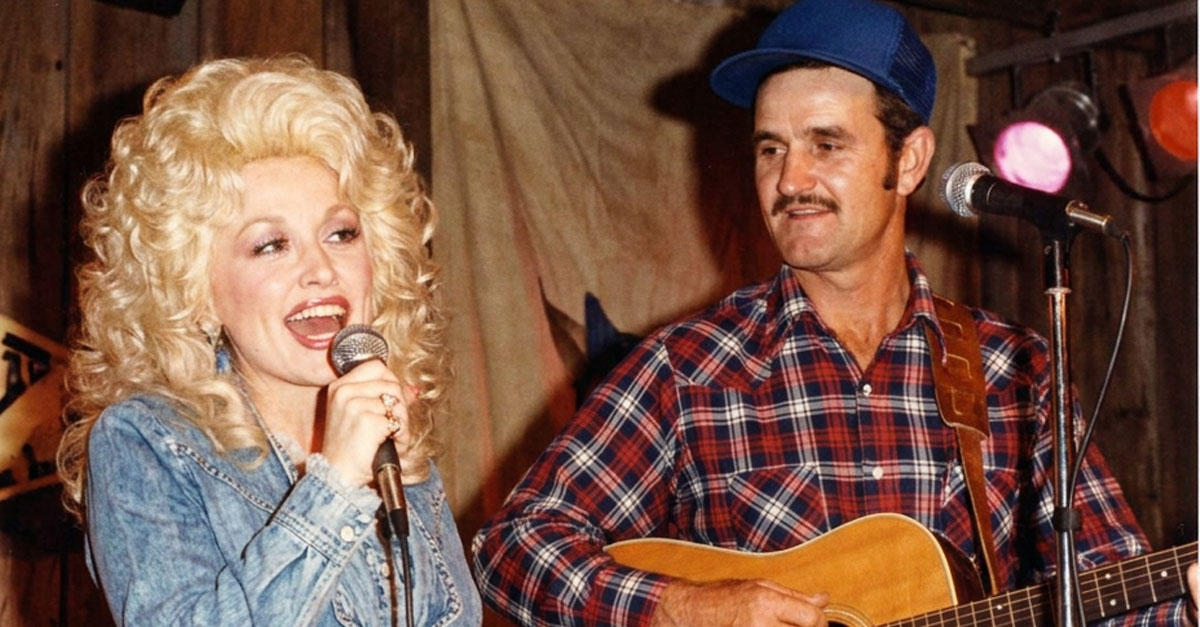
Dolly Parton started the Imagination Library because her daddy could not read.
Lee Parton was a sharecropper and tobacco farmer who took construction work whenever he could, feeding twelve children on whatever work was available. He never learned to read or write. And he carried the shame of that limitation throughout his life.
Dolly saw something different. She saw a man who worked relentlessly to give his children a better life. She saw someone who understood the power of education, even though he had been denied access to it himself. And she decided that no child should have to inherit that same barrier.
In 1995, Dolly launched the Imagination Library in Sevier County, Tennessee, where she grew up. The promise was simple but revolutionary: one free, age-appropriate book every month, mailed directly to a child from birth through age five. No applications based on income. No fees. No stigma. Just a book addressed to the child by name.
That detail matters. A book arriving in the mail tells a child, You matter. Someone is thinking about you. This belongs to you.
The program also recognizes a basic truth: access to books should not depend on a family’s income, neighborhood, transportation, or parents’ educational background. Children cannot choose the circumstances into which they are born. But communities can choose whether those circumstances determine their futures.
The Imagination Library is not a substitute for strong schools, well-funded libraries, qualified teachers, or support for parents. It is a powerful first step. Reading with young children builds vocabulary, attention, curiosity, and the emotional bonds that make learning possible. It helps turn books into a familiar part of home life before a child ever enters kindergarten.
Some people may argue that free books are a luxury when families face more urgent needs: food, housing, health care, and child care. Those needs are real, and they deserve serious investment. But this is not an either-or choice. A book costs little compared with the long-term consequences of educational disadvantage—and the program’s greatest strength is its simplicity. It delivers directly to children, reaches families who may not visit a library, and removes the embarrassment that can accompany means-tested assistance.
Others may say that sending books does not guarantee that children will read them. That is true. A book cannot solve every problem. But it can create an opportunity, invite a conversation, and place a tool for learning in a child’s hands. Progress does not require perfection. It requires making the right resources available and giving families the chance to use them.
Lee Parton lived long enough to see the program work. He died in 2000. Before then, children in the community had started calling him “the Book Man.”
Dolly talked about that name for the rest of her life—not because it erased the fact that he could not read, but because it transformed what that fact meant. His story became not one of shame, but of purpose. His daughter took a painful absence in his life and built a gift for millions of children.
Today, one in six children under five in the United States receives an Imagination Library book. That is an extraordinary achievement. It is also a reminder of how much work remains. Millions of children still do not receive one. Many communities still lack the funding or local partnerships needed to bring the program to every eligible family.
We should change that.
Parents, educators, librarians, businesses, elected officials, and neighbors can all help expand access. Donate to a local Imagination Library partner. Encourage your community leaders to bring the program to your area. Sponsor a child’s books. Volunteer with literacy organizations. Read with the children in your life—and make sure they have books of their own.
A child should not have to be born into wealth to grow up surrounded by stories. No parent should have to choose between groceries and a book. And no one should carry a lifetime of shame because education was once kept out of reach.
Dolly Parton’s message is clear: one book can open a door. If we work together, we can make sure every child has the chance to walk through it.