Ella Langley has a knack for making familiar country sounds feel fresh—and for turning a strong song into a memorable moment. Whether she’s delivering a gritty original or putting her own stamp on a cover, the Alabama-born singer-songwriter brings a voice that can move from vulnerable to fierce without losing its country roots. The phrase “there’s not a record that’s safe when Ella Langley is around” captures that reputation: she approaches songs with the confidence to reshape them, not merely repeat them.
Here’s a closer look at the artist behind that idea, the qualities that make her performances stand out, and why her rise has drawn attention from country listeners.
A country artist with roots and range
Ella Langley grew up in Alabama, where country music was part of the musical landscape around her. Her sound reflects that background, drawing on country storytelling and twang while also making room for rock-leaning energy and contemporary production.
That blend matters. Country music has never been one fixed sound: it has continually absorbed influences from blues, rock, pop, and other traditions. Langley’s music sits within that evolving conversation. A song may have a country narrative at its center but still use a punchier rhythm, a rough-edged vocal, or a louder guitar sound to heighten the emotion.
Her style is recognizable without being confined to one mood. She can sound reflective and exposed in one moment, then bold and rowdy in another. That flexibility helps explain why listeners pay attention when she takes on different material.
What makes a cover feel like her own?
A successful cover does more than reproduce the notes of the original. The performer has to make choices: which parts to emphasize, how to shape the vocal, and whether to preserve the arrangement or take it in a new direction.
Langley’s appeal as an interpreter comes from the sense that she brings her own personality to a song. A raspy edge or a forceful phrase can change the emotional temperature of a familiar melody. Rather than treating a cover as an imitation exercise, she can make it feel like a performance happening in the present.
That distinction is important for listeners. A faithful version may highlight the craftsmanship of the original; a transformative version can reveal another way to understand it. Neither approach is automatically better. The most compelling covers make clear why the performer chose that particular song—and what they have to say through it.
The importance of a distinctive voice
In a crowded music scene, a distinctive voice is more than a matter of vocal technique. It gives a song a point of view. Langley’s delivery often pairs grit with control: the roughness adds character, while the melodic phrasing keeps the performance focused.
That balance suits country storytelling, where small details can carry a lot of emotional weight. A lyric about regret, attraction, or hard-won independence may land differently depending on whether it is delivered softly, defiantly, or with a hint of humor. Langley’s ability to shift tone gives her songs—and her interpretations—room to breathe.
A strong voice also makes a performer’s catalog easier to recognize. Listeners may encounter a song before learning its title or songwriter, but an unmistakable vocal can make them stop and listen.
Original songs establish the artist’s identity
Covers can introduce audiences to a performer, but original songs show what that performer wants to contribute. Langley’s songwriting helps define her artistic identity by giving listeners a window into the themes, attitudes, and storytelling choices that recur in her work.
Her writing and performances often connect with country’s tradition of direct, personal storytelling. The appeal lies not only in a song’s subject but also in how specifically it is expressed. A well-chosen image or candid line can make a personal experience feel recognizable to a wider audience.
For listeners discovering Langley through a high-energy performance or a familiar song, her originals offer a useful next step. They show the artist not just as an interpreter, but as a creator shaping her own musical world.
Why audiences respond to high-energy performances
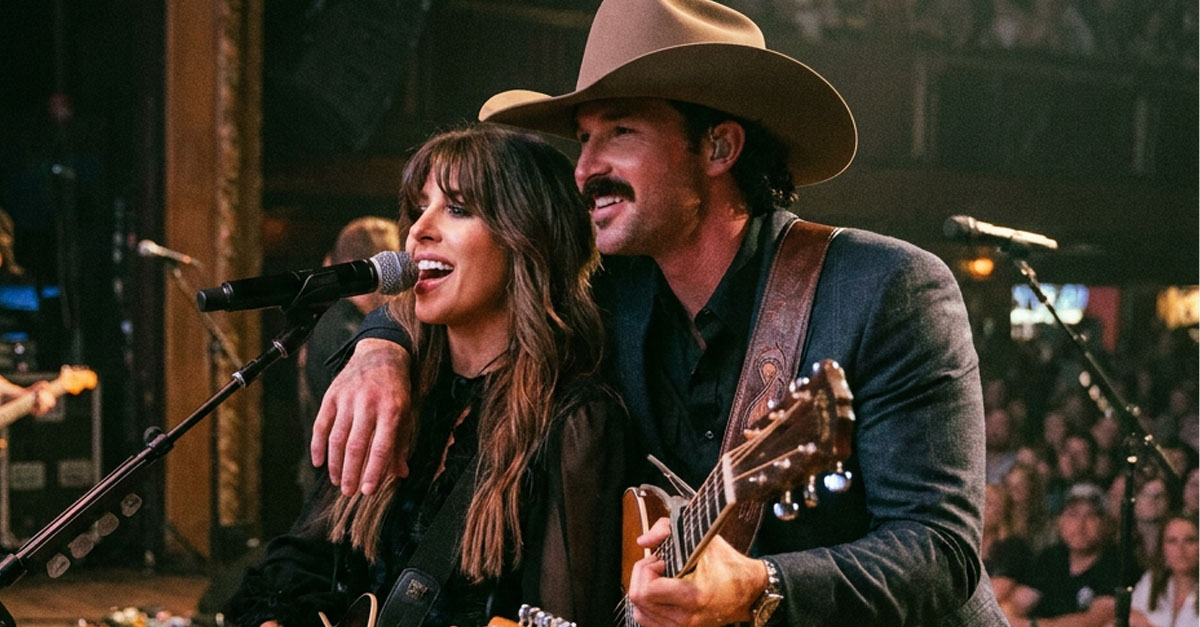
A studio recording can capture a song’s structure and production, but a live performance adds another dimension. The singer’s interaction with the audience, the band’s dynamics, and the room’s energy can make a song feel less polished—and more immediate.
Langley’s forceful performance style is well suited to that setting. Songs built around emotional release, attitude, or a strong hook can gain extra impact when delivered with conviction in front of a crowd. That does not mean every performance needs to be loud. A powerful live moment can also come from a sudden change in volume or an intimate vocal passage that draws the audience in.
This is one reason country artists often build devoted followings through touring. Live shows let listeners experience more than the recorded song: they see how an artist communicates, takes risks, and responds to the room.
A changing country landscape
Langley’s career is unfolding at a time when country music reaches audiences through a wide mix of channels, including radio, streaming platforms, social media, and live performance. Those routes can help emerging artists find listeners beyond their immediate region, while also making the musical conversation more varied.
The result is a genre in which tradition and experimentation regularly meet. Listeners may value familiar storytelling and instrumentation while welcoming artists who bring different influences or a more unconventional edge. Langley’s combination of country foundations and a forceful modern sound fits naturally into that broader landscape.
It is also worth separating a catchy phrase from a literal claim. “There’s not a record that’s safe” works as a playful way to describe an artist’s confidence and versatility, not as a factual statement that every song she performs is transformed or surpassed. The best way to judge any interpretation is to listen for the choices behind it: the phrasing, arrangement, tone, and emotional perspective.
How to listen for what makes a performance distinctive
The next time you hear Langley perform an original or cover, try listening for a few specific details:
- Vocal texture: Notice how she uses grit, breath, or a clean sustained note to shape a line.
- Phrasing: Listen for where she stretches a word, changes the rhythm, or leaves a pause.
- Arrangement: Compare the instrumentation and energy with the song’s original version, if applicable.
- Emotional point of view: Ask whether the performance sounds playful, wounded, defiant, or some combination.
- Connection to the song: Consider what her interpretation emphasizes that another singer might not.
These details help explain why two versions of the same song can feel so different. They also make listening more rewarding: instead of asking only whether a cover is “better,” you can consider what each version brings to the material.
Ella Langley’s appeal rests on more than a bold attitude. Her Alabama roots, flexible sound, distinctive vocal character, and commitment to performance give her a clear identity in contemporary country music. When she takes on a song, listeners can expect an interpretation shaped by her own sensibility—not simply a recreation of someone else’s work.
That is the spirit behind the claim that no record is safe when she is around. It’s a lively way of saying that Langley approaches music with confidence, curiosity, and enough personality to make familiar material worth hearing again.