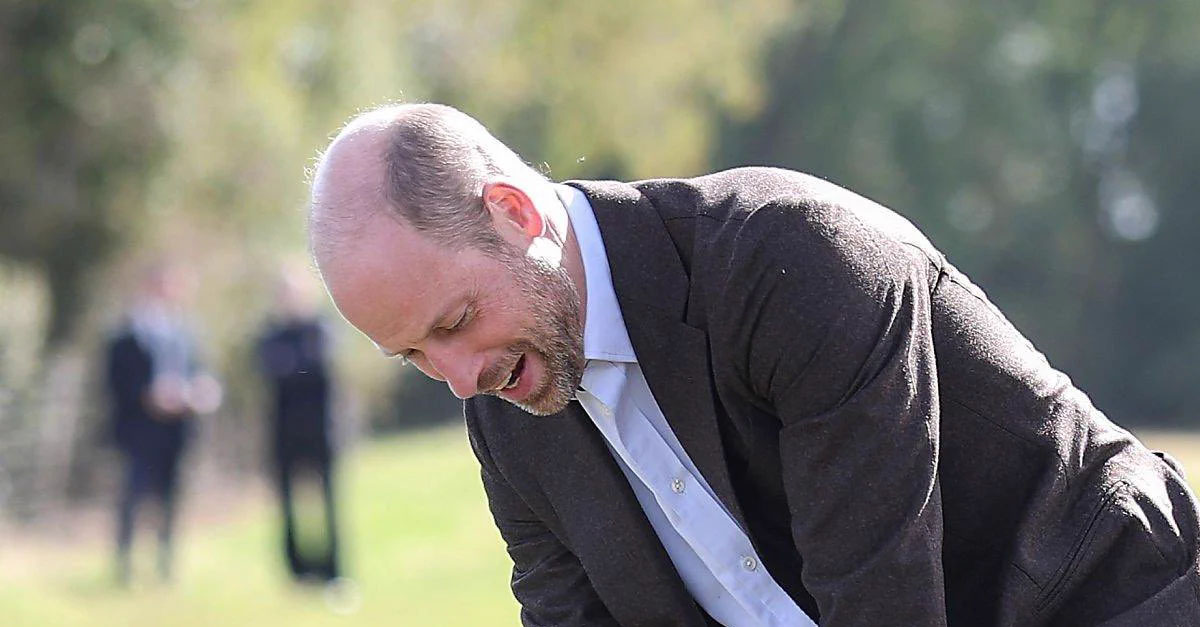
Prince William visited White Castle Farm near Abergavenny, Wales, to learn about the work of Stump Up For Trees, a charity aiming to plant one million native trees across South Wales. The visit brought attention to a practical question facing communities and landowners: how can tree planting support nature and local landscapes while fitting into the realities of working farms?
Taking part in the day’s activities, the Prince even climbed over a wire fence. But the visit was about more than a hands-on moment. It offered a chance to hear how locally led tree-planting projects are planned, what they can contribute to the environment, and why long-term care matters as much as getting trees into the ground.
A local effort with an ambitious goal
Stump Up For Trees is working toward planting one million native trees across South Wales. That is a substantial target, and meeting it involves more than distributing saplings. Trees must be planted in suitable places, protected from damage, and cared for as they establish.
Native trees are species that occur naturally in a region. In Wales, they can include oak, ash, birch, hazel, and hawthorn, among others. The right mix depends on local conditions, including soil, altitude, exposure, and the landscape’s existing wildlife and land use. Choosing species suited to a particular site can improve the chances that young trees will survive and support local ecosystems.
A regional approach also matters. Planting trees in connected groups or corridors can help wildlife move between habitats, rather than leaving isolated patches surrounded by unsuitable land.
Why planting trees can benefit landscapes
Trees and woodlands can provide a range of environmental benefits, although the results depend on where and how planting takes place.
- Wildlife habitat: Trees offer food, shelter, and nesting sites for birds, insects, and other animals. Hedgerows and wooded edges can also connect habitats.
- Soil and water: Tree roots can help stabilise soil and reduce erosion. In some settings, carefully placed trees may slow water moving across the land.
- Carbon storage: As trees grow, they absorb carbon dioxide and store carbon in their trunks, branches, roots, and surrounding soils. This is a long-term process, not an instant solution to climate change.
- Landscape resilience: A diverse landscape of fields, hedges, and woodland can offer benefits for nature while retaining space for farming and other local needs.
These benefits are not automatic. Poorly chosen planting locations can harm valuable habitats, and newly planted trees may struggle without suitable protection and follow-up care. Good projects consider both the potential benefits and the needs of the land.
Tree planting and working farms
White Castle Farm provided a setting to explore how tree planting can work alongside agricultural land use. Farms are varied, and there is no single approach that suits every holding. Some land may be appropriate for woodland, while other areas are better kept for pasture, crops, or existing wildlife habitat.
Planting can take different forms, from creating small woodlands to adding trees along field boundaries or restoring hedgerows. These approaches may help diversify a farm’s landscape without necessarily taking large areas out of production. However, decisions need to be made with the landowner’s goals, local ecology, and practical farm operations in mind.
For any planting project, important considerations include selecting suitable species, protecting young trees from browsing animals, planning access for maintenance, and making sure planting does not damage existing habitats. The first few years are particularly important: young trees often need monitoring and care to become established.
Why community involvement matters
Large-scale environmental targets are easier to understand when they are connected to local places and people. Charities and community organisations can help bring landowners, volunteers, and supporters together, while sharing knowledge about planting and aftercare.
A visit such as Prince William’s can also draw public attention to the work involved. The visible act of planting—or, in this case, climbing over a fence as part of the day’s activities—is only one part of the story. Behind every successful planting effort are decisions about where trees belong, how they will be protected, and who will look after them over time.
Measuring success beyond the number of trees
A goal of one million trees provides a clear way to communicate ambition, but the number planted is only one measure of progress. Other useful questions include:
- How many trees survive and grow to maturity?
- Are the species appropriate for the sites where they were planted?
- Do the plantings strengthen wildlife habitats or connect existing ones?
- Are landowners and local communities involved in planning and care?
- Is monitoring in place to identify problems and improve future projects?
These measures help distinguish between trees being planted and landscapes being successfully restored. Long-term outcomes take time, so continued monitoring is essential.
Looking ahead
Prince William’s visit to White Castle Farm highlighted the work of Stump Up For Trees and its ambition to plant one million native trees across South Wales. It also drew attention to the practical effort behind that goal: choosing the right sites and species, working with the people who manage the land, and caring for trees after planting.
Tree planting is not a stand-alone answer to environmental challenges, but thoughtfully planned projects can contribute to richer habitats, healthier landscapes, and more resilient communities. Whether the target is reached tree by tree or through broader landscape partnerships, the lasting measure will be how well those trees become part of South Wales’ living environment.