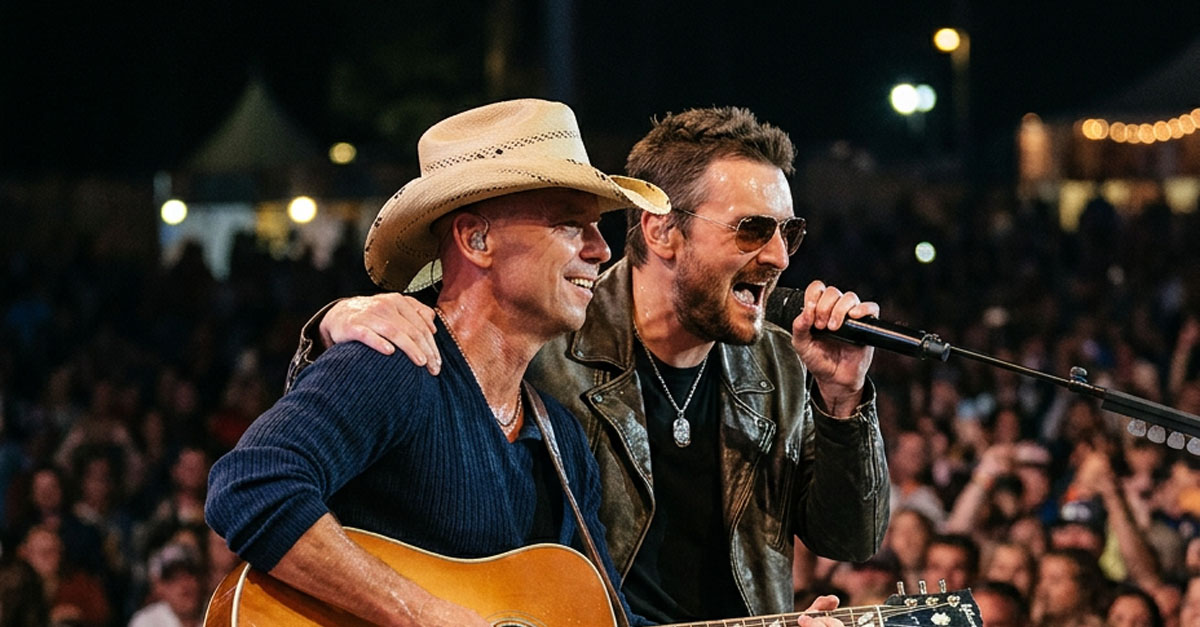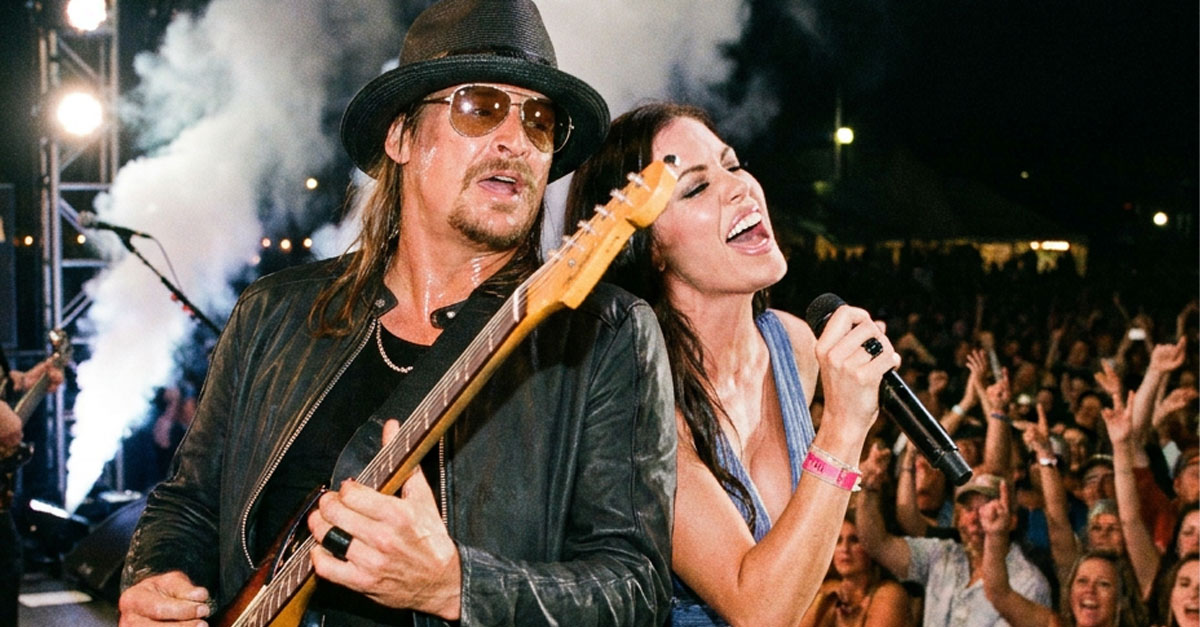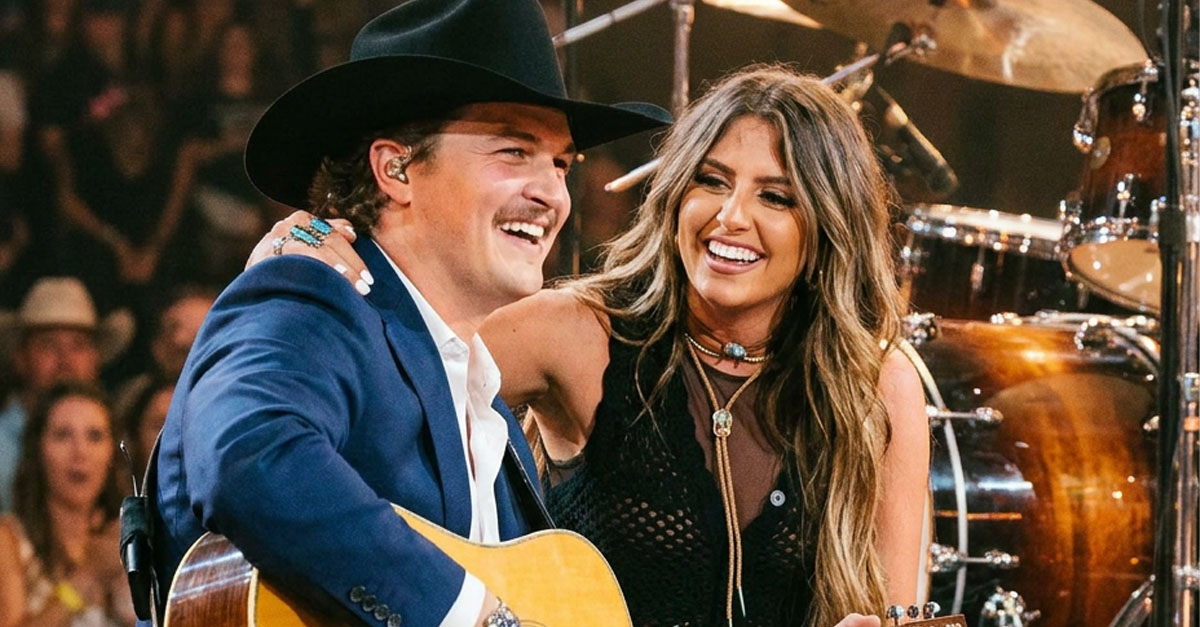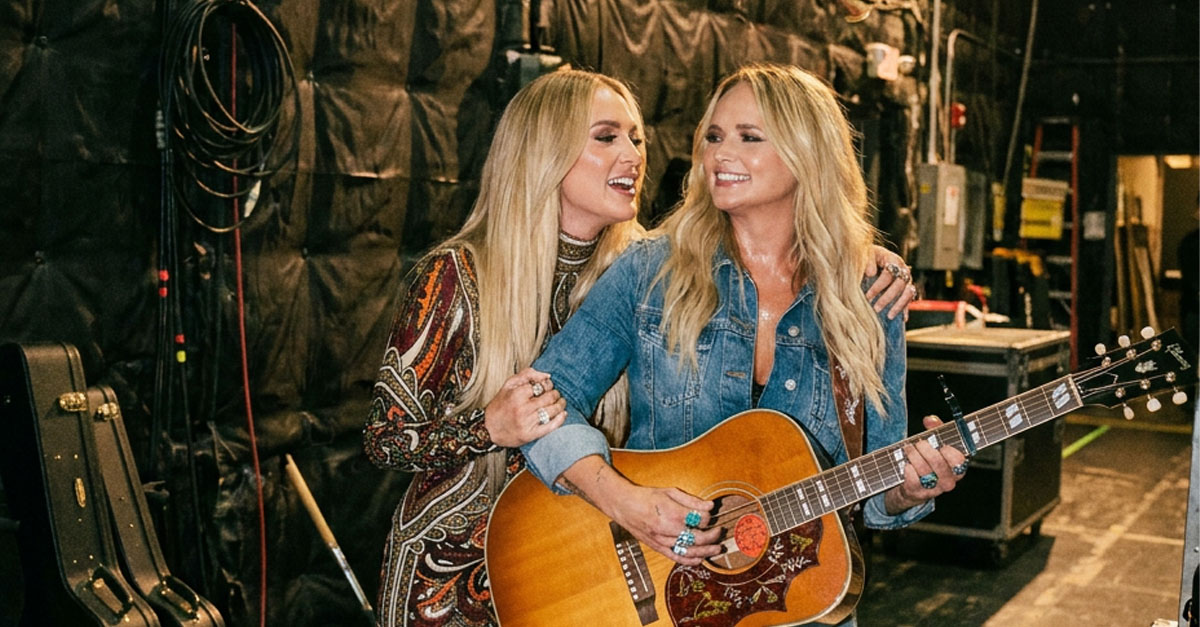
Miranda Lambert and Carrie Underwood have spent more than two decades as two of country music’s most recognizable female stars. Both have earned major awards, built enduring careers, and helped shape the sound and public image of modern country music. But Lambert has also reflected on how difficult it once felt for women to gain traction in the genre—and suggested that she and Underwood might deserve “a ribbon” for making it through those years.
Her comment points to a larger story: success in country music has never depended on talent alone. It has also involved navigating radio formats, industry expectations, and an evolving conversation about which voices get heard.
Two different paths to country stardom
Lambert and Underwood rose to prominence in different ways.
Lambert first gained national attention as a contestant on the television competition Nashville Star in 2003. She finished third, but the exposure helped launch a recording career rooted in sharp songwriting and a distinctly independent persona. Her major-label debut, Kerosene, arrived in 2005 and produced a hit title track. Lambert became known for songs that gave complicated, outspoken women room to tell their own stories.
Underwood’s breakthrough came two years later, when she won the fourth season of American Idol in 2005. Her debut album, Some Hearts, followed that year and became one of the most successful country debuts of its era. With a powerful voice and a polished crossover sound, she reached audiences well beyond country radio.
Their routes were different, but both artists turned early visibility into long careers—and became influential examples of women leading their own projects.
Why Lambert says those years were harder
When Lambert looks back on the period in which she and Underwood were establishing themselves, she remembers a country industry where women could find it difficult to get the same attention as men. Her “ribbon” remark is a wry way of recognizing the persistence it took to keep releasing music and building an audience.
The challenge was not that women lacked talent or public appeal. Rather, the industry’s systems—including radio programming, label decisions, touring opportunities, and media coverage—could make it harder for female artists to receive consistent exposure. Country radio has long been an important route to mainstream success, and its playlists have often featured fewer women than men, particularly during some periods of the 2000s and 2010s.
That context helps explain why Lambert’s comment resonates beyond a joke between colleagues. It reflects the experience of working in a competitive business where visibility can be unevenly distributed.
The importance of radio and representation
Radio airplay can help introduce an artist to listeners, build familiarity with a song, and support concert and album sales. When fewer women are played, they may have fewer chances to benefit from those effects. Researchers, advocacy groups, and industry observers have documented gender imbalances in country radio playlists, though the degree of disparity has varied over time and between stations.
The issue is also connected to representation. If audiences hear fewer women on a regular basis, it can become harder for female artists to be treated as a normal and central part of the genre rather than as exceptions. That can influence which songs labels promote, which artists are booked for major events, and whose work is considered commercially viable.
Lambert and Underwood’s longevity matters in that context. Their success did not solve every structural problem, but it demonstrated that women could headline, sell records, win major awards, and sustain careers while retaining distinctive artistic identities.
Different strengths, lasting influence
Lambert has built much of her reputation around songwriting, especially songs with strong characters, vivid details, and an unvarnished point of view. Across albums such as Crazy Ex-Girlfriend and Platinum, she has moved between traditional country influences, rock textures, humor, and emotionally direct storytelling. She has also collaborated with other women, including through the trio Pistol Annies, which she formed with Ashley Monroe and Angaleena Presley.
Underwood’s career has combined vocal showmanship with a broad commercial reach. Her songs have ranged from dramatic country-pop ballads to energetic anthems, and her success has made her one of the genre’s most visible performers. She has also remained a prominent presence at award shows and large-scale live events.
Their approaches are not identical, and that is part of their significance. They show that women in country music need not fit one mold to succeed. A genre can make room for varied voices, sounds, and ideas—though making that room available consistently remains an ongoing challenge.
A changing landscape for women in country music
Country music has continued to welcome new generations of female artists, songwriters, and bands. The paths available to them are changing, too: streaming, social media, independent releases, and direct fan communities can help artists find listeners outside traditional radio channels.
Those routes do not remove every barrier. Radio and major industry platforms still have considerable influence, and artists continue to advocate for fair opportunities and broader representation. But the increased visibility of women across country music reflects years of work by performers who built audiences and challenged narrow expectations.
Lambert and Underwood are part of that history. Their achievements offer newer artists examples of different ways to build a career, while their reflections remind listeners that success did not mean the road was easy.
Why the “ribbon” comment matters
A lighthearted comment about deserving a ribbon can carry a serious point: making it through a difficult era is an accomplishment in its own right. Lambert’s observation recognizes both her own persistence and Underwood’s, while drawing attention to the conditions women faced as they rose through country music.
Their careers are not just stories of hits and awards. They are also part of a broader account of how women have claimed space in a genre whose institutions have not always given them equal visibility. Looking back at those challenges helps readers understand why representation matters—and why celebrating the artists who helped expand it is worthwhile.
Miranda Lambert and Carrie Underwood became two of country music’s biggest female stars through different paths, distinct artistic strengths, and remarkable staying power. Lambert’s recollection that they might deserve “a ribbon” for making it through tougher years captures the humor and resilience behind that achievement.
Their success did not end the debate over women’s opportunities in country music. But it helped make the case, in lasting and highly visible ways, that women belong at the center of the genre—not at its margins.