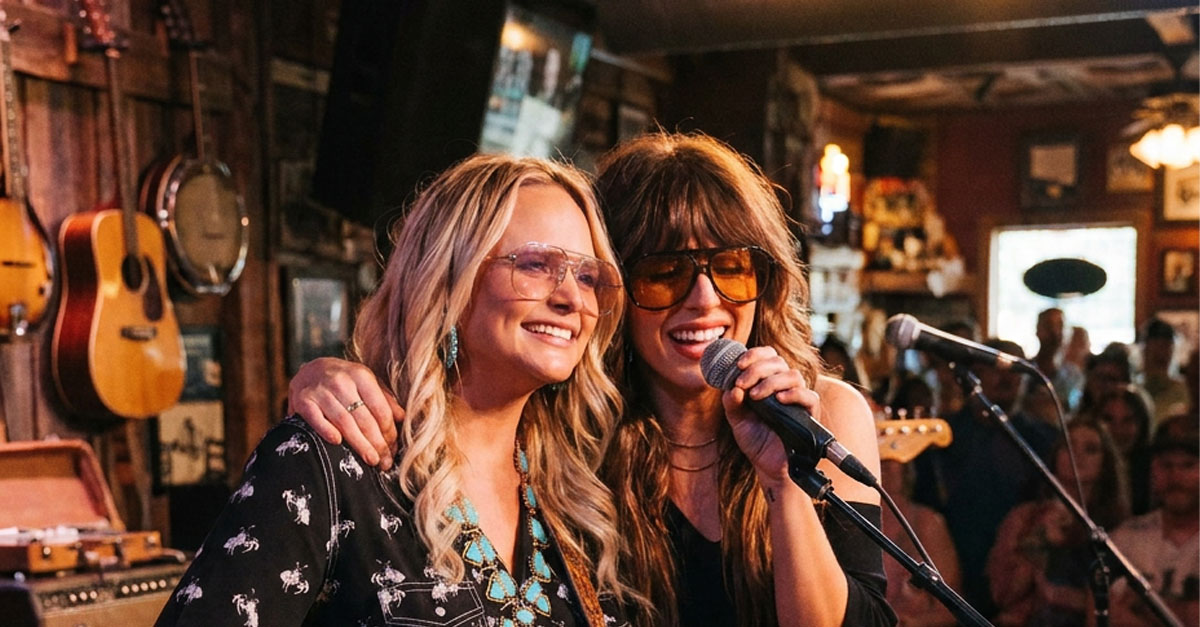
A close creative partnership can involve more than mutual admiration. Miranda Lambert recently described the sometimes-combative process behind making Ella Langley’s album, saying the two artists clashed often—and that the disagreements helped them get the record right.
In an interview on The New York Times’ Popcast, Lambert spoke candidly about working with Langley and the trust required to make decisions together. She also singled out “Choosin’ Texas,” the song she said came together without a fight. Its success has since given that easy creative connection an impressive chart-life: the song has spent 42 weeks at No. 1 on Billboard’s Hot Country Songs chart.
Creative friction was part of the process
Asked whether she and Langley butted heads while making the album, Lambert said they did “a lot.” But she did not describe those disagreements as a sign that the partnership was failing. Instead, she suggested that the friction had a purpose: both artists cared deeply about the result.
Lambert called herself “scrappy” and said she wanted the work to be right. That kind of insistence can make a studio process more demanding, but it can also help artists test ideas rather than settle for the first version that sounds good.
For listeners, the finished recording can feel seamless. Behind it, though, choices about lyrics, arrangements, performances, and production may involve competing instincts. The challenge is to turn those differences into decisions that serve the song—and to preserve enough trust for everyone involved to keep contributing.
Trust mattered as much as disagreement
When asked whether she ever let Langley win an argument, Lambert laughed and noted that it was Langley’s name on the album. The remark underscored an important distinction: Lambert could bring experience and strong opinions to the process, but the project ultimately belonged to the artist whose name was attached to it.
Lambert also said she loved that Langley trusted her. That trust appears to have made the disagreements possible. A collaborator can challenge an idea more directly when both people believe the other is working toward the same goal.
The exchange also points to the balance involved in producing or shaping another artist’s work. A seasoned collaborator may help refine a project, but the emerging artist needs room to make it her own. In this case, Lambert’s account suggests that the partnership included both forceful debate and respect for Langley’s final artistic stake.
“Choosin’ Texas” needed no argument
Not every song prompted a debate. Lambert said she and Langley did not have to fight over “Choosin’ Texas.” She described the song as a piece of their “DNA” and said they let it become what it was supposed to be.
That description suggests an immediate sense of fit: the song’s identity felt clear enough that the collaborators did not need to push it in competing directions. Sometimes a track takes shape through revision and disagreement; sometimes the strongest choice is recognizing what is already working and resisting the urge to overcomplicate it.
Lambert’s comments offer a useful contrast. The album-making process could be scrappy and argumentative overall, while one song could feel instinctive from the start. Both experiences can belong to the same creative partnership.
A major chart milestone
“Choosin’ Texas” has spent 42 weeks at No. 1 on Billboard’s Hot Country Songs chart, an extraordinary run that gives the song a life well beyond its creation in the studio. The chart combines measures of a song’s performance, including sales, streaming, and radio activity, rather than reflecting just one way audiences listen.
A long stay at No. 1 signals sustained attention from country music listeners. It also highlights how a song that collaborators felt was especially natural to make can connect with a broad audience. Lambert’s description of it as part of their shared creative “DNA” is her perspective, but the chart record shows that the track has continued to resonate.
What the story reveals about collaboration
Lambert’s account is a reminder that successful collaboration does not require constant agreement. Productive creative partnerships often depend on several things working together:
- A clear goal: Disagreement is easier to navigate when collaborators share a commitment to the finished work.
- Room for distinct instincts: Different perspectives can sharpen a song rather than dilute it.
- Trust: People need to believe that criticism is meant to improve the work, not undermine the person behind it.
- Respect for ownership: Langley’s name was on the album, and Lambert’s comment acknowledged that the artist must remain central to her own project.
None of this means that conflict automatically produces better music. Disagreements are useful only when they lead to clearer choices and remain grounded in respect. Lambert’s description presents the tension as part of a working relationship built on trust and a shared desire to get the record right.
Miranda Lambert’s Popcast interview offers a behind-the-scenes look at the effort and negotiation involved in making Ella Langley’s album. The pair reportedly butted heads often, but Lambert viewed that friction as part of the process—and emphasized the trust Langley placed in her.
“Choosin’ Texas,” by contrast, was a song they did not have to fight over. Lambert said they recognized its character and let it become what it was meant to be. With the track spending 42 weeks at No. 1 on the Hot Country Songs chart, that instinctive connection has proved durable with listeners as well as in the studio.