At 71, Reba McEntire is still performing, acting, and finding joy in the life she has built. But the country star’s approach to happiness is less about chasing a perfect future than appreciating the present. In a 2025 interview with People, McEntire described a lesson that took time to learn: stop living for yesterday or tomorrow, and focus on the day in front of you.
That perspective connects several parts of her life—from her changing understanding of contentment to her partnership with Rex Linn and her enduring enthusiasm for work. It offers a useful reminder, too: happiness does not always require a dramatic change. Sometimes it begins with noticing what is already good.
The lesson of living in the present
McEntire told People that one of the hardest lessons she ever learned was to quit living for tomorrow and for yesterday. The idea is simple, but practicing it can be difficult. Looking backward may keep us focused on regrets or on a version of life that can no longer be changed. Looking too far ahead can make the present feel like little more than a waiting room.
Living one day at a time does not mean giving up on plans or ambitions. It means giving today its own value instead of treating it only as a stepping stone to some future outcome. For McEntire, that outlook appears to be part of how she approaches this stage of life: with attention to what she can enjoy and do now.
Why contentment once felt like a risk
McEntire has also spoken about once seeing contentment as a bad thing. She worried that if she felt satisfied, she might stop striving to do better.
That concern is familiar to many people, particularly those who are ambitious or strongly identified with their work. In a culture that often celebrates constant improvement, being content can sound like settling. But contentment and ambition do not have to be opposites. A person can appreciate what they have while still pursuing new goals.
The distinction is between striving because something matters to you and striving because you believe the present is never good enough. Contentment can provide a steadier foundation for ambition: it allows someone to work toward change without dismissing the value of their current life.
“Happy’s Place” is wherever Reba and Rex are
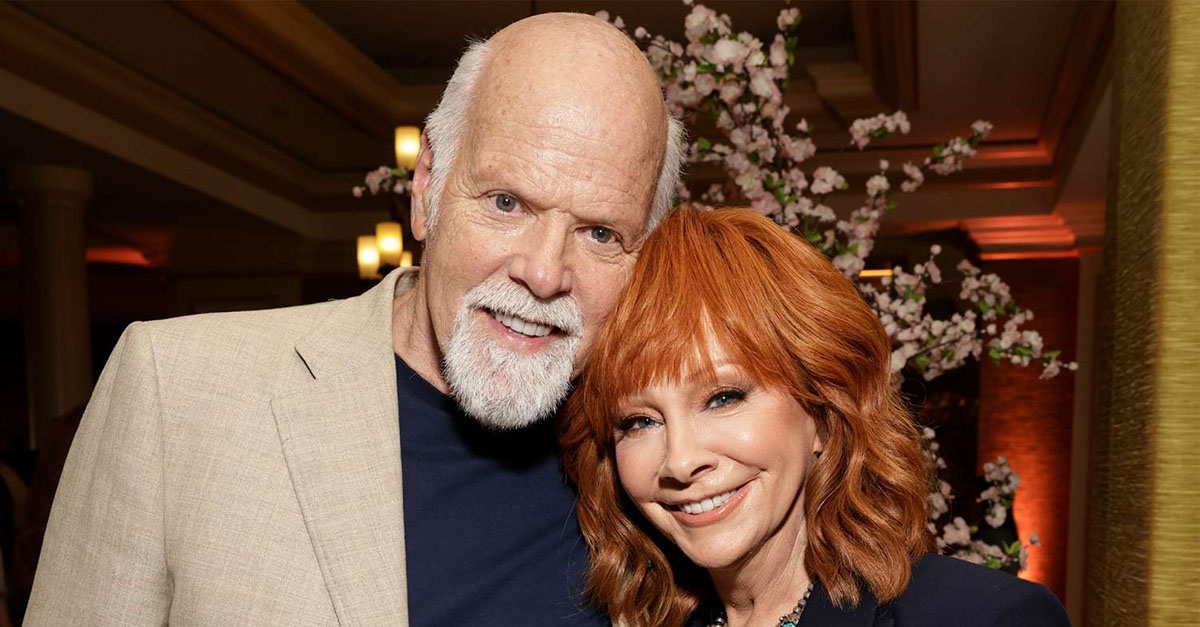
McEntire’s relationship with actor Rex Linn offers another glimpse of what happiness means to her. She has said that wherever the two of them go is their “Happy’s Place.”
The phrase suggests that home is not always defined by a particular house or destination. It can also be the sense of comfort and connection people create together. Shared routines, humor, companionship, and mutual support can make an unfamiliar place feel welcoming.
McEntire and Linn’s outlook is a reminder that well-being is often rooted in relationships and everyday experiences—not solely in possessions, achievements, or travel. The people with whom we share a moment can shape how that moment feels.
A lasting love of work
McEntire’s enthusiasm for her career also helps explain why retirement has not appeared to be an obvious goal. She once asked fellow country star Dolly Parton about retiring. Parton responded by asking what in the world could be more fun than the job she was doing. McEntire said she agreed one hundred percent.
The exchange captures an important difference between working because one has to and working because the work remains meaningful and enjoyable. Retirement can be a welcome choice for many people, but it is not the only measure of success or fulfillment. For some, continuing to work—while having the freedom to choose projects and set a pace—can remain a source of purpose.
McEntire’s comments do not suggest that everyone should keep working indefinitely. Rather, they show how a satisfying career can be part of a happy life when it continues to bring enjoyment, creativity, or connection.
What McEntire’s outlook can teach us
McEntire’s reflections point to a few practical ideas readers can apply in their own lives:
- Give the present your attention. Make plans, but do not let the future consume all of your awareness.
- Separate contentment from complacency. Appreciating what is good does not prevent growth.
- Notice where you feel at home. That feeling may come from a person or shared experience, not just a location.
- Let purpose evolve. A meaningful career or pursuit may change over time without losing its value.
- Avoid measuring happiness by one milestone. A particular age, achievement, or retirement date is not a universal finish line.
These are not guarantees of happiness, and McEntire’s experience is her own. Still, her approach offers a grounded way to think about well-being: take satisfaction in the life you have today while remaining open to what comes next.
Reba McEntire’s happiest season, as she describes it, is shaped by presence, connection, and a continuing love of her work. Her hardest lesson was to stop living in the past or the future. Her changing view of contentment has helped her see that being grateful for the present need not weaken ambition. And her words about Rex Linn and Dolly Parton reflect the value of companionship and purposeful activity.
The larger lesson is not that everyone should live exactly as McEntire does. It is that a fulfilling life can be built one day at a time—with room for goals, meaningful relationships, and genuine appreciation for what is already here.