Dolly Parton has spent decades turning assumptions into punchlines—and punchlines into a kind of wisdom. Her carefully crafted look and quick-witted humor made her an easy target for “dumb blonde” jokes. But Dolly was often the first to tell one, using the stereotype on her own terms. As she famously put it, the jokes never bothered her: she knew she wasn’t dumb, and she knew she wasn’t blonde.
That humor was more than a public persona. It showed how Parton could acknowledge the way people saw her without letting them define her. And while she never took herself too seriously, she took the needs of others seriously indeed. Through philanthropy, literacy programs, and disaster relief, she has helped people for decades—often quietly, and sometimes on a remarkable scale.
Turning a stereotype into a punchline
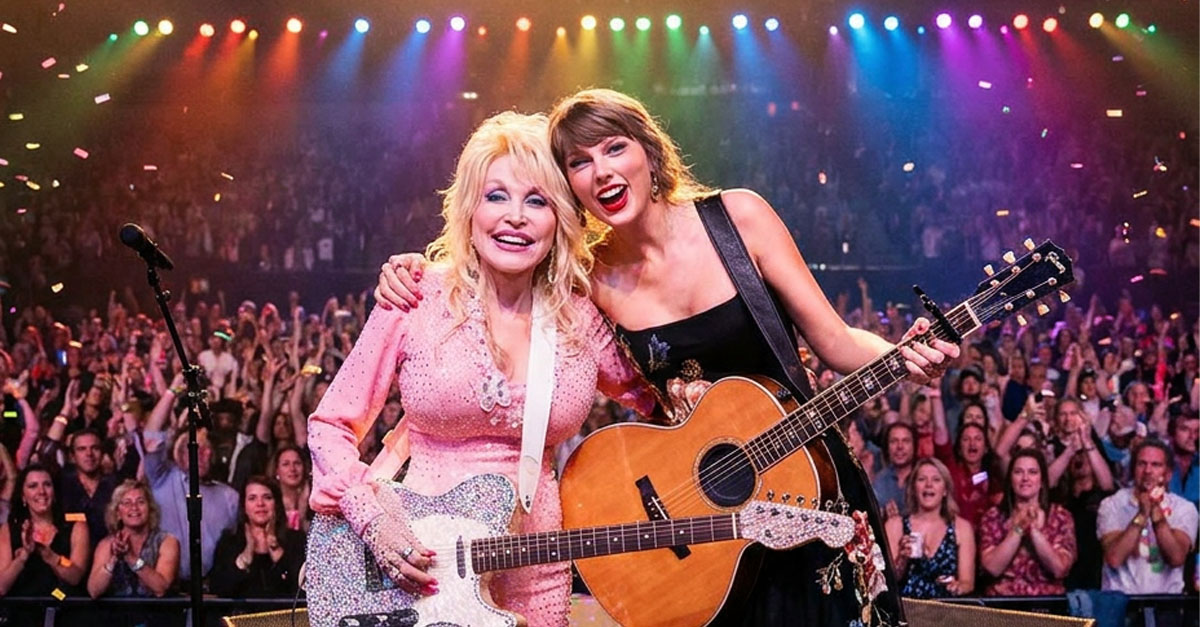
Parton’s image has always been distinctive: big hair, elaborate outfits, and a glamorous style that she has described as deliberately exaggerated. Rather than pretending the image did not attract attention, she made it part of her comedy. Her jokes often played with the gap between appearance and reality, inviting audiences to laugh while reminding them not to confuse style with intelligence.
The famous blonde-joke line captures that approach. Parton could repeat a familiar stereotype and then undercut it with a sharp observation. The joke worked because she understood the stereotype—and refused to be embarrassed by it.
Self-deprecating humor can be a powerful tool, but Parton’s version was not simply about putting herself down. She used humor to control the terms of the conversation. If people were going to make assumptions about her, she could expose those assumptions, exaggerate them, and make the audience laugh at their absurdity.
A sharp mind behind the sparkle
Parton’s humor is only one part of a career built on discipline and creative judgment. Born in 1946 in Sevier County, Tennessee, she grew up in a large, low-income family. She began performing as a child and moved to Nashville after graduating from high school to pursue a career in country music.
Her success was not accidental. Parton became a prolific songwriter, recording artist, performer, and businesswoman. She has written thousands of songs, including “Jolene,” “Coat of Many Colors,” and “I Will Always Love You.” Her ability to write across musical styles, develop a recognizable public identity, and maintain control over important parts of her work helped make her one of the most enduring figures in American entertainment.
That context makes her jokes about being underestimated especially revealing. Parton understood how image shapes people’s expectations—and how much effort it can take to succeed when others mistake appearance for ability. She did not need to reject glamour to demonstrate intelligence. She could be both playful and purposeful.
The Imagination Library: helping children learn to read
One of Parton’s most far-reaching philanthropic efforts is the Dolly Parton’s Imagination Library. Founded in 1995, the program began in her home county in Tennessee as a way to encourage young children to read. It mails a free, age-appropriate book to enrolled children each month, from birth until they start school.
The program later expanded across the United States and internationally. Its scale depends on local partners—including libraries, community groups, and governments—which help make enrollment and delivery possible. The Imagination Library does not replace schools, teachers, or public libraries. Instead, it helps put books directly into children’s homes and gives families a practical way to build reading routines early.
The program reflects a basic but important educational principle: access matters. Children benefit when books are available before formal schooling begins, and reading together can support language development, curiosity, and family connection. By making the books free to families, the program aims to reduce one obstacle to that early access.
Giving in times of crisis
Parton’s giving has also reached people facing emergencies. In 2016, after wildfires devastated parts of Sevier County, she and her Dollywood Foundation created the My People Fund. The fund provided monthly assistance to families whose primary residences had been destroyed or made uninhabitable. The program ultimately distributed millions of dollars to affected households.
During the COVID-19 pandemic, Parton donated $1 million to Vanderbilt University Medical Center. The contribution supported research connected to the development of the Moderna COVID-19 vaccine. She also used her public platform to encourage people to take the pandemic seriously and to get vaccinated when eligible.
These examples illustrate different forms of charitable work: direct support for families, investment in research, and long-term community programs. They also show why it is important to describe specific contributions rather than treating philanthropy as a vague matter of image. Parton’s public giving has included identifiable projects, partner organizations, and concrete support.
What her philanthropy can teach us
Parton’s charitable work is notable not only for the money involved, but also for its focus. The Imagination Library addresses early access to books. The My People Fund responded to urgent housing and recovery needs after a disaster. Her donation to Vanderbilt supported scientific research.
Each effort points to a useful lesson about giving: effective help often depends on understanding a particular need and working with organizations equipped to address it. A monthly book program, emergency cash assistance, and medical research require different approaches. There is no single form of generosity that solves every problem.
Parton’s example also highlights the value of combining resources with visibility. Her celebrity can draw attention to programs and encourage participation, while local partners do much of the practical work on the ground. Good intentions matter, but so do planning, coordination, and sustained support.
Laughing without losing sight of what matters
Parton’s public image can make it tempting to treat her as a collection of clever quotes and glamorous outfits. But the humor makes more sense when seen alongside her work. She has long understood that people can be complicated: someone can enjoy a joke about herself and still be serious about her responsibilities; someone can embrace a larger-than-life image while doing practical work for children and families.
Her approach to humor also offers a lesson in confidence. Parton did not need to argue with every assumption about her. She could answer with a joke, then let her achievements speak. The humor was generous, but it was also astute: it showed that she recognized the stereotype and knew exactly how to turn it around.
A joke, and a legacy
Nobody could laugh at Dolly Parton harder than Dolly Parton—not because she thought little of herself, but because she was comfortable enough to make fun of the image people had built around her. Her jokes about dumb-blonde stereotypes worked because she understood the difference between appearance and ability.
That same blend of warmth and confidence appears in her philanthropy. Through the Imagination Library, disaster relief, and support for medical research, Parton has put substantial resources toward helping others. She could laugh at herself without ever treating other people’s needs as a joke.