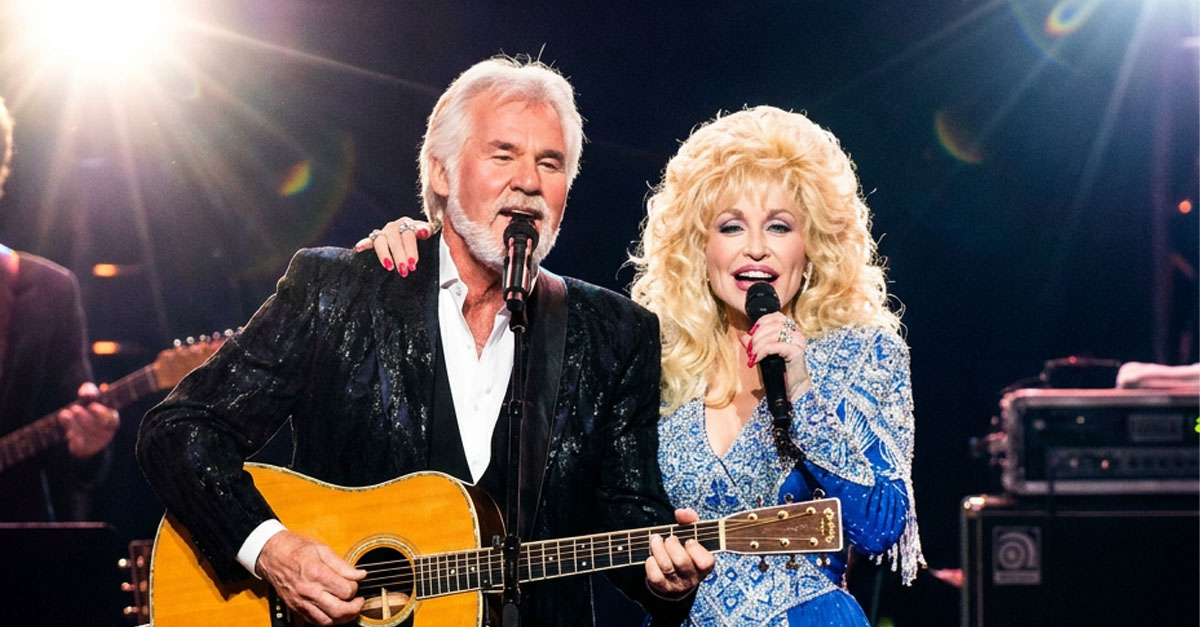
For millions of workers, the day begins with an alarm clock—and, in the world of 9 to 5, with one of the most recognizable songs in American pop culture. Dolly Parton’s “9 to 5” is more than a catchy tune: it’s the signature song of a hit film about office workers pushing back against workplace inequity.
The connection between Dolly, the movie, and its theme began with an idea Jane Fonda had on the drive home from work. It eventually led to a blockbuster, a Grammy-winning song, and a Broadway musical.
From a car ride to a movie idea
In the late 1970s, Jane Fonda was looking for a story about women’s experiences in the workplace. On the way home one night, she heard Dolly Parton’s “Two Doors Down” on the radio. The song prompted her to imagine Parton at a typewriter—an image that helped Fonda picture her in a comedy about office life.
Fonda approached Parton about appearing in the film. Parton agreed, but with one important condition: she wanted to write the theme song. That request became a defining part of the project. Parton went on to create “9 to 5,” a song that captured the frustration and determination at the center of the story.
What 9 to 5 is about
Released in 1980, 9 to 5 follows three office employees played by Jane Fonda, Lily Tomlin, and Dolly Parton. Their characters—Judy Bernly, Violet Newstead, and Doralee Rhodes—work under a sexist, manipulative boss, Franklin Hart Jr., played by Dabney Coleman.
The film turns their grievances into workplace comedy, but its concerns are grounded in real issues: unequal treatment, lack of recognition, and the limited opportunities many women faced in professional settings. The characters’ increasingly bold response to their boss gives the movie its farcical plot, while their efforts to improve the office give it an unexpectedly practical streak.
The story also connects to the real-life 9to5 movement, a group founded in Boston in 1973 to organize and advocate for women office workers. The film’s title echoed the organization’s name and the familiar working-day schedule, helping bring the concerns of clerical employees into popular conversation.
How Dolly Parton created the song
Parton wrote “9 to 5” specifically for the film. One distinctive detail is the rhythm: she used her long fingernails to make a percussive sound, tapping them together to imitate the clatter of a typewriter. That sound became part of the song’s signature texture.
The lyrics describe the exhausting routine of work and the feeling that effort goes unrewarded. Yet the track is energetic rather than defeated. Its brisk beat and vivid phrasing turn workplace frustration into a singalong anthem—one that works as both a joke about office drudgery and a declaration of independence.
“9 to 5” was a major success. It reached No. 1 on the U.S. Billboard Hot 100 and earned Parton a Grammy Award for Best Country Song. The film was also a box-office phenomenon: it became the second-highest-grossing film released in the United States in 1980, behind The Empire Strikes Back.
A film, a hit song, and a lasting workplace anthem
The movie’s success came from the chemistry among its three leads as much as from its premise. Fonda plays a newcomer learning to stand up for herself; Tomlin brings sharp comic precision to Violet, a capable employee overlooked for advancement; and Parton’s Doralee challenges the assumptions people make about her.
The title song helped unite those stories. It gave the movie a memorable opening and closing, while also making its central theme instantly recognizable outside the theater. The phrase “working 9 to 5” was already familiar, but Parton’s song gave it a new emotional meaning: the daily grind could be endured, mocked, and challenged.
From screen to Broadway
The story didn’t stop with the 1980 film. Years later, Parton expanded it into a stage musical, writing twenty new songs for the Broadway production while retaining the original “9 to 5” as its musical centerpiece.
The Broadway adaptation opened in 2009. It brought the film’s office setting and comic conflict to the stage, while adding songs that developed the characters and their relationships. The musical was nominated for several Tony Awards, including Best Musical, and introduced the story to audiences who knew it through theater rather than film.
That transition showed how adaptable the material was. The original movie was rooted in the workplace culture of its time, but the themes of recognition, fairness, and solidarity continued to resonate with new audiences.
Why “9 to 5” still works
Part of the song’s staying power lies in its balance. It is musically buoyant, easy to remember, and fun to sing along with—but its subject is the strain of working hard without receiving fair credit or opportunity. That contrast makes it more than a nostalgic soundtrack hit.
The song also carries an unusual piece of musical storytelling in its sound. The typewriter-inspired tapping connects the arrangement directly to the office world of the film, turning an everyday workplace noise into an instrument. It’s a small creative decision that helps make the song instantly identifiable.
Take the anthem home with you
Dolly Parton’s “9 to 5” began with Jane Fonda’s idea for a movie and Parton’s condition that she write its theme. The result was a hit song, a successful film, and later a Broadway musical enriched with twenty additional songs.
More than four decades on, “9 to 5” remains a lively reminder that workplace frustrations are easier to face when people can name them—and sometimes sing about them. So when the workday ends, turn it up on the way home.