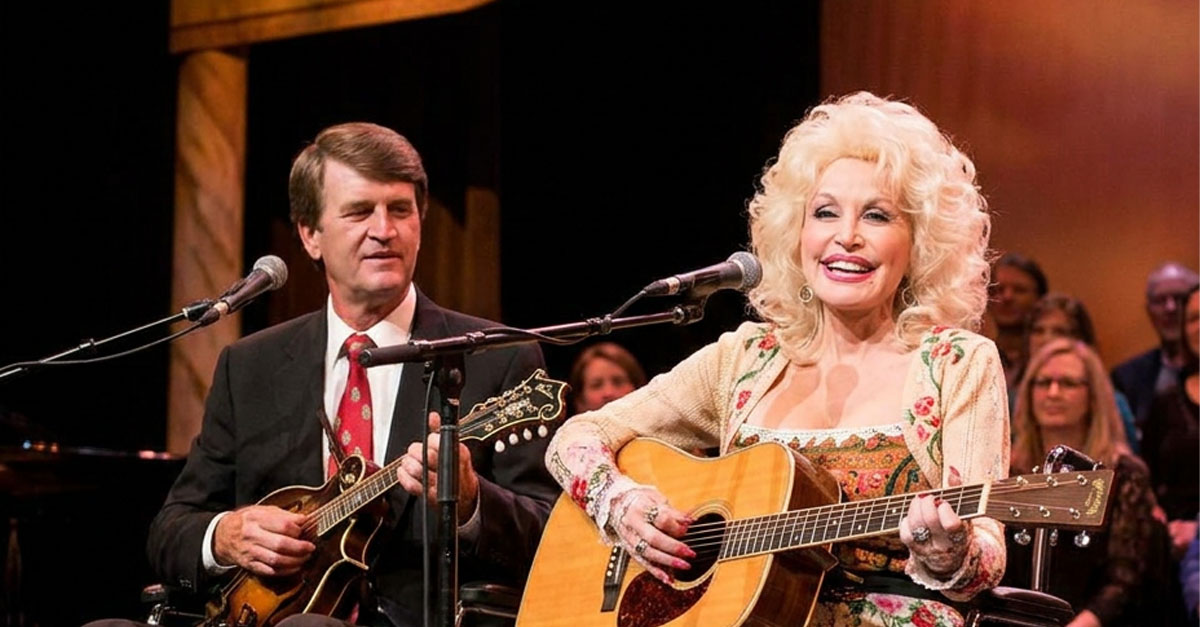
Some days call for subtlety. Dolly Day is not one of them. It’s a chance to pull out the sequins, the oversized sleeves, the rhinestones, the fringe—or whatever glorious, attention-getting piece has been waiting in your closet. But the point isn’t simply to dress up. It’s to bring a little extra generosity into the world, too.
Tip big. Let someone go ahead of you in line. Tell a stranger you like their earrings. These small gestures may take only a moment, but they can make someone feel noticed, welcome, and valued. Dolly Parton has spent much of her public life demonstrating how warmth and generosity can travel far beyond a stage or a song. Dolly Day is a fitting excuse to carry some of that spirit into everyday life.
Why Wear Something Loud?
Clothing can be a practical necessity, but it can also be a form of play and self-expression. A bright outfit, a sparkly accessory, or an unexpectedly bold pair of boots can help turn an ordinary day into an occasion. Dressing with a little drama invites curiosity and conversation—and sometimes gives other people permission to enjoy their own style more freely.
There’s no official uniform for Dolly Day. You don’t need a rhinestone-studded jumpsuit or a towering wig. The “loudest thing you own” might be a colorful scarf, a patterned shirt, a pair of glittery earrings, or socks that make you grin. What matters is choosing something that feels joyful to you.
If you’re dressing for work, school, or a setting with a dress code, you can keep the statement modest: try a vivid accessory, a bright nail color, or a playful pin. The goal is not to make anyone uncomfortable. It’s to bring a bit of delight into the day.
Small Acts of Kindness Have Real Value
Grand gestures tend to get attention, but everyday kindness often works through brief, ordinary exchanges. Letting someone go ahead in line can make a stressful moment easier. Offering a sincere compliment can brighten someone’s day. Leaving a generous tip can help recognize the work of a person whose service might otherwise go unremarked.
These actions are small, but they aren’t meaningless. Positive social interactions can help people feel connected to their communities. Even a short, respectful exchange—such as holding a door or saying thank you—can reinforce the idea that people are paying attention to one another.
Kindness is most effective when it is offered without demanding anything in return. A compliment should be genuine and appropriate; a generous tip should be given within your means; and making space for someone in line should remain a freely chosen gesture. The aim is not to perform goodness for praise. It is to make a little room for someone else.
How to Make the Kindness Feel Genuine
A thoughtful gesture doesn’t need a script, but a few simple habits can help it land well:
- Be specific with compliments. “I love your earrings” is clear, friendly, and easy to receive.
- Keep it brief and respectful. A compliment doesn’t require a conversation, and the other person should feel free to simply say thanks and move on.
- Notice the people doing the work. If you’re able, tipping generously is one way to acknowledge the effort behind a service.
- Offer help without pressure. Letting someone ahead in line is a kind offer; accepting “no, thank you” is part of respecting their choice.
- Make the gesture fit the moment. Kindness is not one-size-fits-all. Consider the other person’s comfort, the setting, and your own capacity.
A helpful rule is to aim for warmth without expectation. Offer the kindness, then let the other person decide how to respond.
Dolly Parton’s Example of Generosity
Dolly Parton is known not only as a singer and entertainer but also for her philanthropy. One of the best-known examples is the Imagination Library, which she founded in 1995 in honor of her father. The program provides free books to children from birth to age five, with local partners supporting its operation in participating communities.
The initiative grew from a personal reflection: Parton has said that her father, despite being intelligent, could not read. The program’s central idea is straightforward but powerful—make books accessible early, and help families build a culture of reading together.
That example shows how generosity can take different forms. Some kindness happens in a passing moment; other efforts are organized to address a longer-term need. Both can matter. Dolly Day’s simple acts may not change the world on their own, but they can remind us that care is something we can practice—and that small moments of encouragement can be part of a larger culture of giving.
A Dolly Day Checklist
Want to make the day memorable? Keep it simple:
- Wear one thing that makes you smile. Extra sparkle is optional; enthusiasm is not.
- Do one generous thing. Tip well if you can, share your place in line, or help someone with a small task.
- Offer one sincere compliment. Notice someone’s earrings, jacket, hairstyle, or another detail they chose for themselves.
- Make room for other people to be themselves. Celebrate the bright, unusual, and joyful choices around you.
- Carry the spirit beyond today. A single day can be a reminder to make kindness a habit.
Let the Outfit Be Loud and the Kindness Be Quiet
Dolly Day is a celebration of color, confidence, and generosity. Wear the loudest thing you own—not because anyone needs to dress a certain way, but because getting dressed can be a chance to have fun. Then make the day a little brighter for someone else: tip big, let somebody ahead of you in line, or tell a stranger you like their earrings.
No grand plan is required. Just a little sparkle, a little attention, and a willingness to be kind. Dolly Parton’s example reminds us that generosity can be both heartfelt and practical—and that making someone feel seen is a gift in itself. She would have loved that.