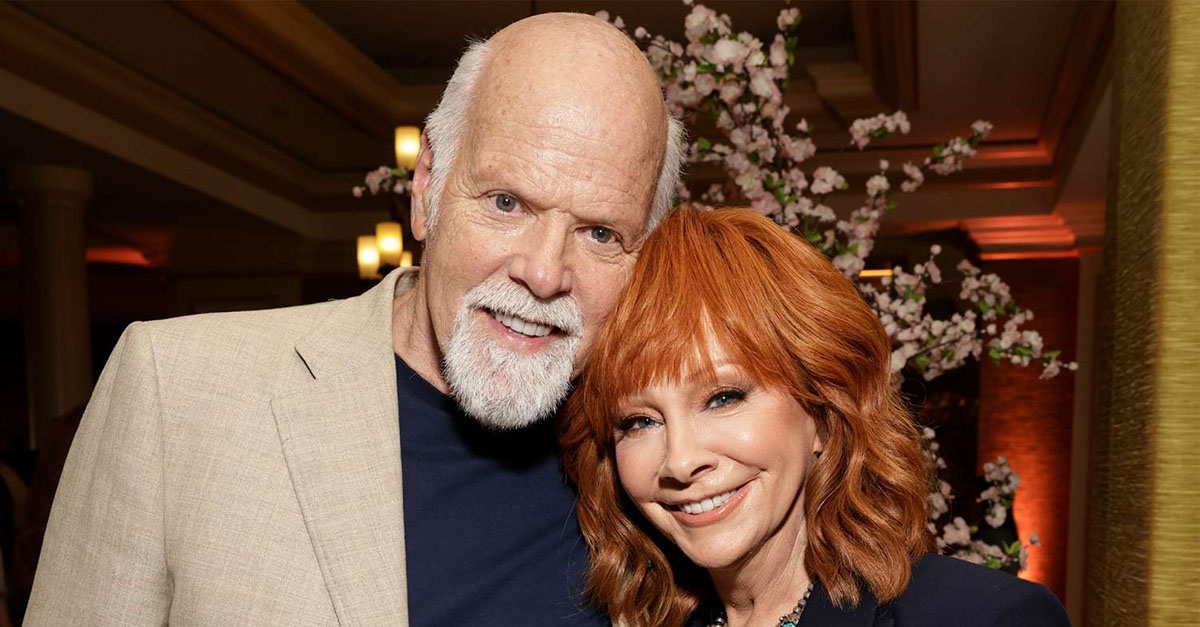
Miranda Lambert did not expect her latest chart run to take off the way it did. Speaking with Cody Alan on SiriusXM’s The Highway, the country star said the song’s success caught her by surprise. She believes its appeal comes from a combination of sounds that feel familiar and fresh: distinctive guitar tones, a memorable opening lick, and what she called “secret dust.”
The conversation also touched on an unexpected chart comparison with Mariah Carey. Asked how Carey might feel, Lambert offered a warm response, saying she believes Carey is “a girl’s girl at the end of the day.” The exchange brought a seasonal twist to the story, since Carey’s holiday hit “All I Want for Christmas Is You” has returned to the top of the Billboard Hot 100 each December since 2019.
A chart run Lambert didn’t predict
Artists and record labels often hope a song will connect with listeners, but even experienced performers cannot always tell which release will become a major hit. Lambert’s comments underscore that uncertainty. Although she recognized the song’s distinctive qualities, she said she never anticipated the scale of its success.
That unpredictability is part of what makes chart stories compelling: a track’s eventual popularity may depend on how its sound, timing, promotion, and audience response come together. Lambert’s remarks suggest that, in this case, the song’s musical character was central to its appeal.
The guitar tones and opening lick
Lambert pointed to the guitar tones and the “lick up top”—the brief musical phrase heard near the beginning—as key ingredients. An opening lick can give a song an immediate identity, helping listeners recognize it after only a few seconds. Guitar tone matters too: the instrument’s sound can evoke a particular era or style before the singer delivers a lyric.
Together, those elements can make a recording feel inviting and distinctive. A familiar-sounding guitar phrase may draw listeners in, while the way it is performed and placed in the arrangement gives it a character of its own.
Familiar, but still fresh
Lambert described the song as something listeners might feel they had heard before, perhaps on a record from the 1970s, 1980s, or 1990s, while still finding it fresh. That balance can be powerful. Music that recalls an earlier era may offer an immediate sense of recognition, but a new recording can reshape those influences through its performance, production, and contemporary context.
Her description points to the difference between sounding old-fashioned and drawing on musical history. A song can borrow the warmth, tone, or style associated with past decades without simply reproducing an earlier hit. Lambert’s phrase for that hard-to-define extra quality was “secret dust”—the intangible element that helps a familiar sound feel newly compelling.
A gracious response to the Mariah Carey comparison
When Cody Alan asked how Mariah Carey might feel, Lambert responded with generosity. She said she believes Carey is “a girl’s girl at the end of the day,” framing the comparison as friendly rather than competitive.
That answer is especially notable because Carey’s holiday classic remains a remarkable chart force. “All I Want for Christmas Is You” has reached No. 1 on the Billboard Hot 100 every December since 2019, demonstrating how reliably seasonal listening can bring a song back to the top. Its annual return also means that holiday chart conversations are never entirely settled: a new hit can make headlines, while a long-established favorite may reappear when the season arrives.
Why the holiday chart connection matters
Carey’s song is an example of how a record can have a recurring life beyond its original release. Each holiday season brings renewed listening, giving the track a regular opportunity to climb the charts again. This pattern differs from the usual rise and fall of a current single, and it helps explain why Carey may still have a chance to claim the spotlight as the holidays approach.
Lambert’s success and Carey’s seasonal chart tradition represent two different kinds of musical momentum. One comes from a song’s unexpected connection with listeners; the other comes from a familiar favorite returning year after year. Both show how strongly a recording can resonate—whether through fresh discovery or cherished tradition.
The lasting appeal of an unexpected hit
Lambert’s comments offer a useful reminder that hit songs do not always announce themselves in advance. A memorable guitar sound, an instantly recognizable opening phrase, and a blend of nostalgia and freshness can add up to something difficult to predict but easy to revisit. Lambert may not have seen the record run coming, but she can identify the qualities that helped make the song stand out.
And with Carey’s holiday anthem poised for another seasonal return, the chart conversation may keep changing. Lambert’s gracious comments leave room for both stories: the surprise of a new success and the enduring power of a song that has become part of the holidays.