Prince William’s appearances at the Commonwealth Games have often shown the future king at his most relaxed and human. Whether attending as a spectator, supporting athletes, or meeting local people, he has repeatedly demonstrated an ability to move beyond formal protocol into genuine, personal exchanges. One recurring theme in coverage of these visits is his willingness to pause, listen, and respond warmly when someone becomes emotional.
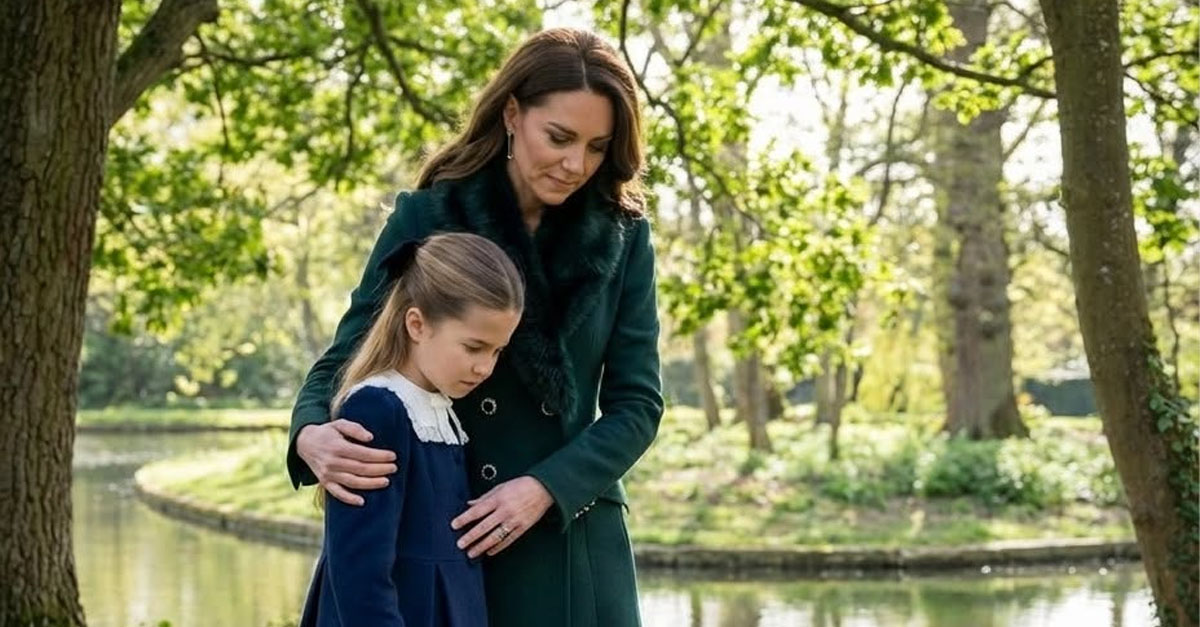
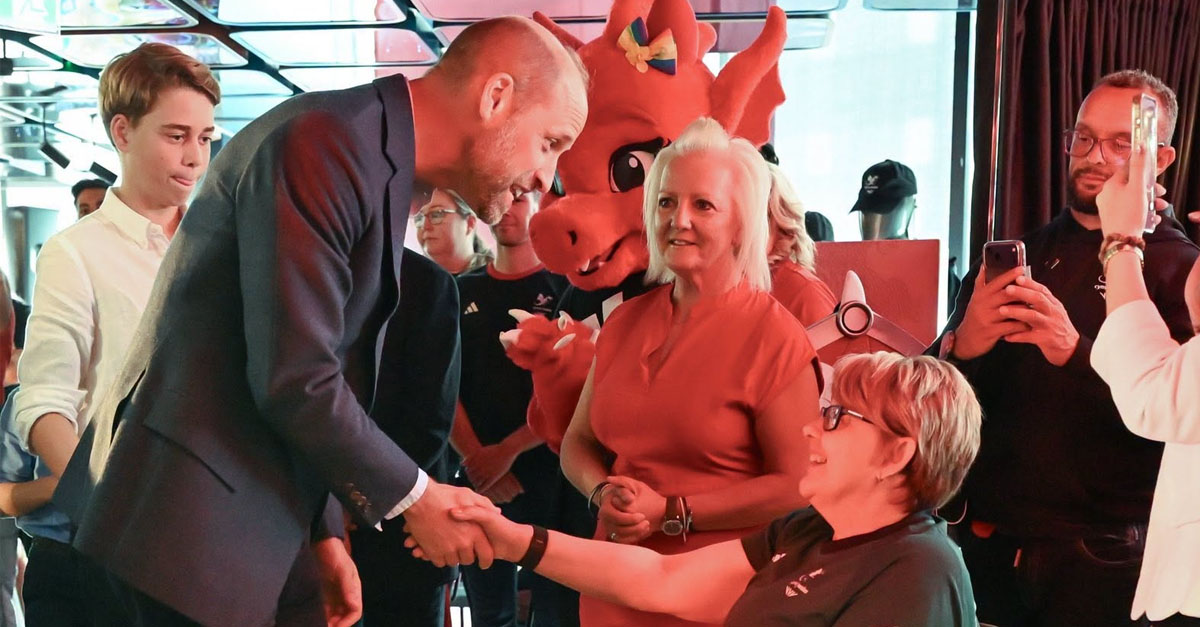
During the 2022 Commonwealth Games in Birmingham, William attended events with his family, including a hockey match between England and India. Cameras captured him comforting a tired Princess Charlotte in the stands—brushing her hair back, offering a gentle pat, and pulling her in for a hug. The moment was widely praised as an ordinary fatherly gesture in an extraordinary setting. Similar warmth has appeared at other sporting occasions. At the 2023 Rugby World Cup, after watching Wales play Fiji, he stopped to chat and pose for a photograph with a fan in a wheelchair, lingering after the picture was taken. In Glasgow in 2022 he hugged an emotional local resident during a housing visit. These interactions share a pattern: William notices when someone is moved, stays present, and offers simple physical reassurance when it feels appropriate.
The 2026 Commonwealth Games in Glasgow brought the Wales family together again. William, Catherine and their three children watched the netball semi-final between Australia and Jamaica at the OVO Hydro. The atmosphere was described as electric, and the family later posted about the power of sport to bring people together. While specific one-to-one encounters from that day received less detailed reporting than the family presence itself, the outing fitted the same approachable style. William has long used sport—football, rugby, and multi-sport events—as a setting where he can meet people on more equal terms. Conversations about matches, athletes, or shared excitement often replace stiff small talk.
What stands out in these moments is the absence of performance. When a person in a wheelchair or an older resident becomes tearful, or when a child grows restless, William’s response has typically been quiet and practical: a steadying hand, a few extra seconds of conversation, or a brief embrace. Observers frequently note that he does not rush the exchange or signal for staff to move him on. In a role defined by constant public attention, these pauses read as deliberate.

Sport provides a natural stage for such contact. At the Commonwealth Games the focus is on athletes from across the Commonwealth competing in front of home and visiting crowds. For William, the events also offer a chance to meet volunteers, families, and fans who have travelled or waited to be there. The combination of competitive energy and community spirit appears to suit his preference for informal connection. A hug offered to someone who has become emotional is simply one visible expression of that preference.
Coverage of royal sport visits tends to highlight the matches, the medals, and the official group photographs. The smaller exchanges—stopping for a wheelchair user, comforting a child, or sharing a laugh with residents—often travel further on social media precisely because they feel unscripted. They remind viewers that the people involved are responding to one another in real time.
As the Commonwealth Games continue to showcase athletic excellence and shared identity, William’s presence has consistently included room for ordinary human moments. Whether at a netball semi-final, a hockey match, or a post-match walk through the stands, the pattern remains: he listens, he stays, and when emotion surfaces he meets it with straightforward warmth. That consistency is what turns a formal appearance into something many people remember.