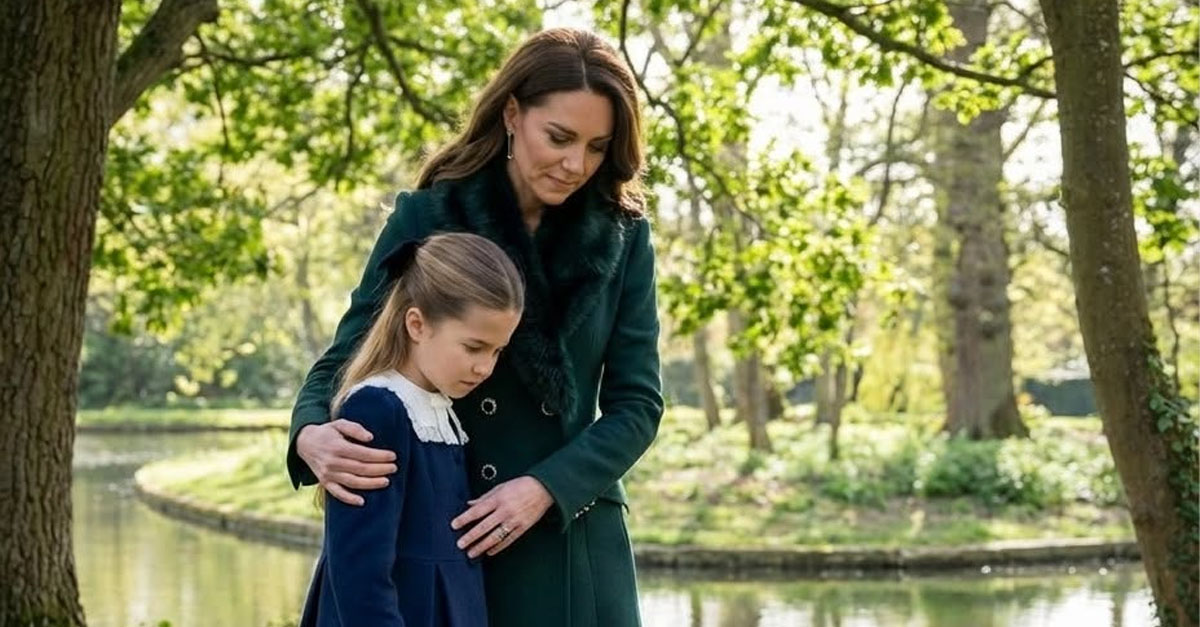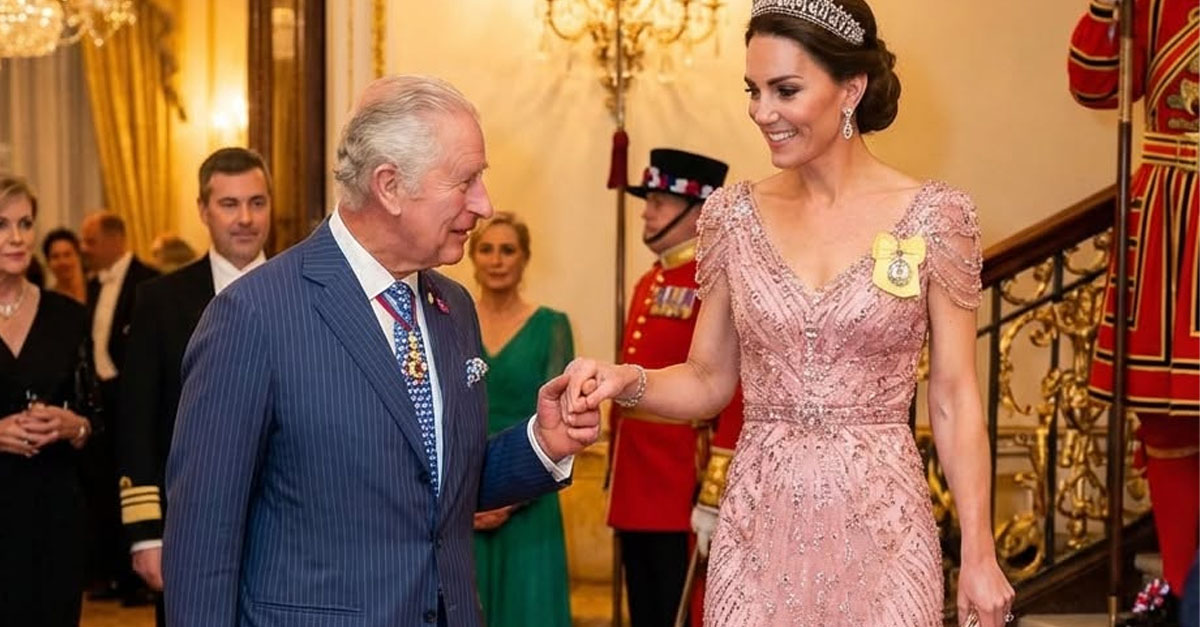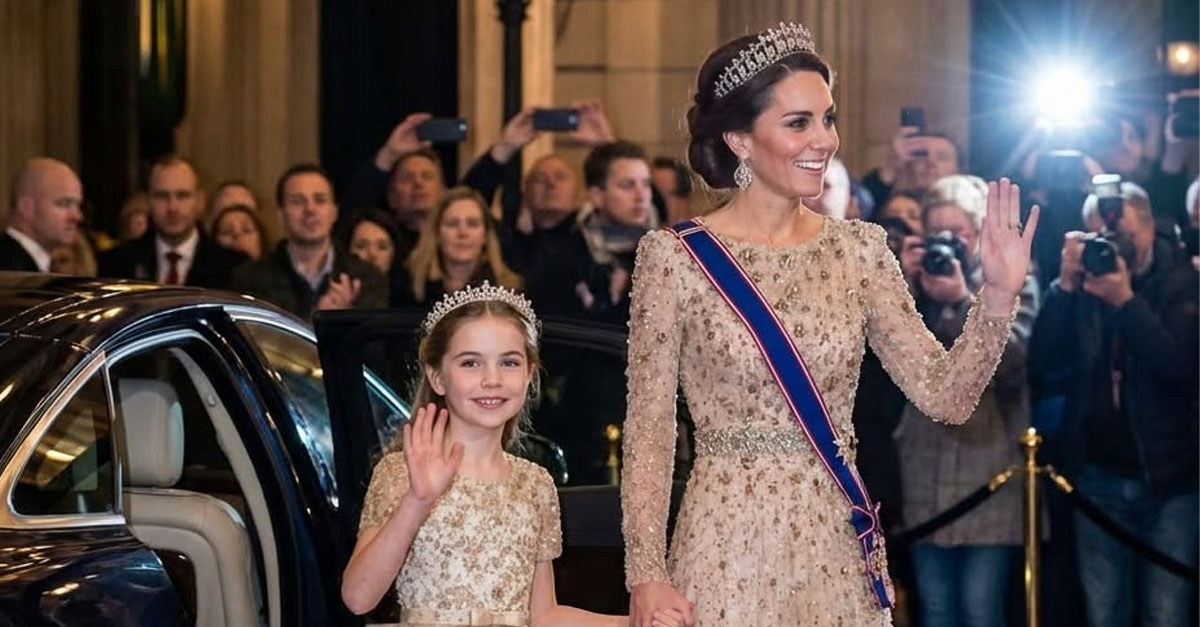
Matching outfits can make for a memorable photograph, but a viral headline is not proof that a royal appearance happened exactly as described. Here’s how to understand the appeal of mother-daughter coordination, the principles behind royal event dressing, and how to separate confirmed details from online embellishment.
A headline—and a useful reality check
Few fashion images feel as instantly charming as a parent and child arriving in coordinated clothes. When the parent is Catherine, Princess of Wales, and the child is Princess Charlotte, the combination of family warmth and carefully considered style can attract attention around the world.
The scenario described in the headline—Catherine and Charlotte emerging hand-in-hand in precisely matching outfits—makes for a compelling image. But without a named event, date, or reliable source, its details should be treated as unverified rather than reported fact. Royal fashion stories often circulate with dramatic captions, and a photograph may be paired with claims that go beyond what the image itself establishes.
That distinction matters. A close color match, similar coat shape, or shared accessory is not necessarily an “exact miniature replica.” To establish what the pair wore and where, readers should look for dated photographs from reputable news organizations, official royal channels, and contemporary reporting.
Why coordinated outfits resonate
Coordinated dressing is a familiar way for families to express connection. It can be subtle—matching colors or fabrics—or more obvious, with similar silhouettes and details. When children are involved, the effect can feel especially memorable because the adult’s look is adapted to a smaller, age-appropriate wardrobe.
In photographs, coordination also creates visual unity. Related colors help the people in a picture feel connected without requiring identical clothing. This is one reason matching looks are popular for family portraits, celebrations, and public appearances alike.
For public figures, an outfit can become part of how an event is remembered. A striking coat, a repeated color, or a recognizable accessory may help audiences identify a photograph or recall the occasion. That doesn’t mean every similarity is deliberate symbolism, however. Sometimes people simply choose clothes suited to the season, venue, or dress code.
Royal dressing: elegance with practical considerations
Public royal appearances involve more than choosing a beautiful outfit. Clothing must suit the setting, weather, schedule, and level of formality. A look that photographs well may also need to be comfortable enough for standing, walking, greeting guests, or attending an outdoor event.
For a child, practical needs are even more important. Clothing should allow movement, feel comfortable, and suit the child’s age. A coordinated look, when one is chosen, can achieve visual harmony through a shared color or detail rather than copying an adult’s outfit exactly.
Photographs can also affect how clothes appear. Lighting, camera angles, fabric texture, and image editing may make two shades look more alike—or more different—than they do in person. That is another reason to be cautious about claims of exact matching based on a single image.
How to evaluate a viral royal-fashion story
Before sharing a dramatic fashion claim, check a few details:
- Find the event and date. A credible report should identify where and when the appearance took place.
- Compare original photographs. Look at images from reputable outlets or official sources, rather than relying on a cropped social-media post.
- Separate observation from interpretation. “Both wore blue” is an observable detail; “they planned an exact matching outfit to send a message” is an interpretation that needs evidence.
- Watch for exaggerated language. Phrases such as “the world was speechless” or “made everyone gasp” are usually promotional, not verifiable descriptions.
- Check whether the images are current. Older photographs can be recirculated with new captions, creating the impression of a recent event.
These habits are useful beyond royal coverage. Celebrity and fashion content often blends real images with speculation, and a quick source check can prevent a misleading caption from becoming a supposed fact.
The lasting appeal of mother-daughter style
Whether an outfit is truly identical or simply coordinated, a mother-daughter fashion moment appeals because it combines public polish with a familiar family connection. The most successful versions tend to balance resemblance and individuality: a shared palette or classic detail, paired with choices suited to each person.
That balance is also a helpful lesson for anyone planning coordinated family outfits. Choose a common color family, repeat one subtle detail, and let each person wear a style that feels comfortable. The result is usually more natural—and more versatile in photographs—than insisting on exact copies.
Coordinated royal outfits can be charming, photogenic, and culturally interesting. But memorable fashion coverage should still be grounded in verified details. In the case of the dramatic claim about Catherine and Charlotte, the description alone does not confirm a specific appearance or prove that their outfits were exact replicas.
The broader takeaway is simple: enjoy the visual appeal, appreciate the planning behind public-event dressing, and check reliable sources before treating a viral headline as fact.