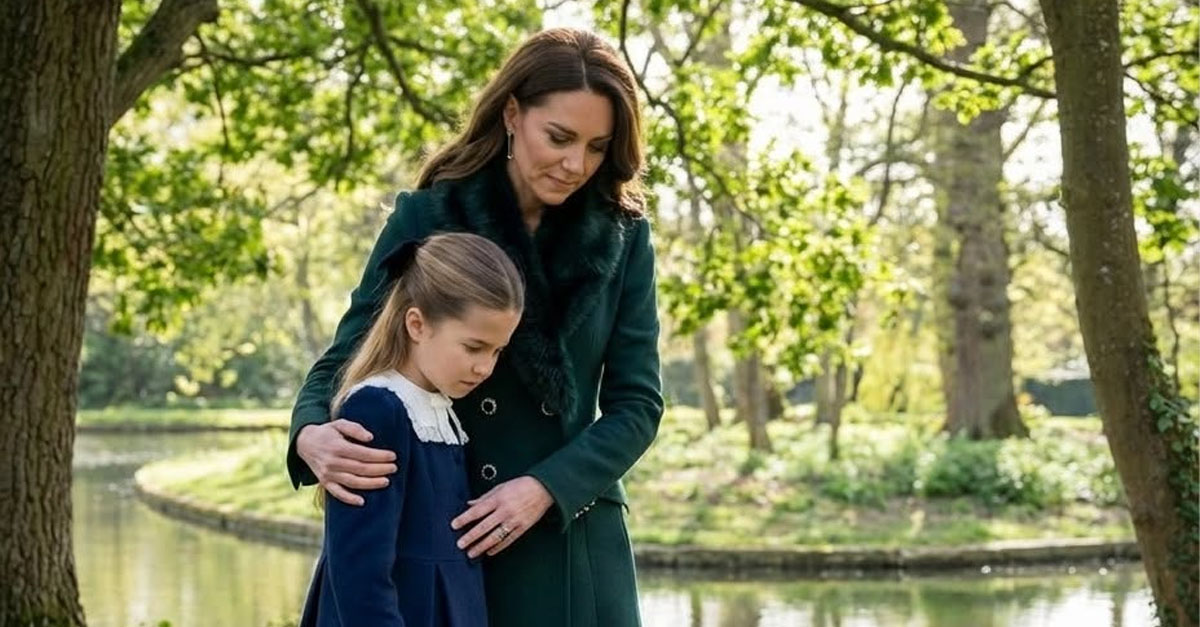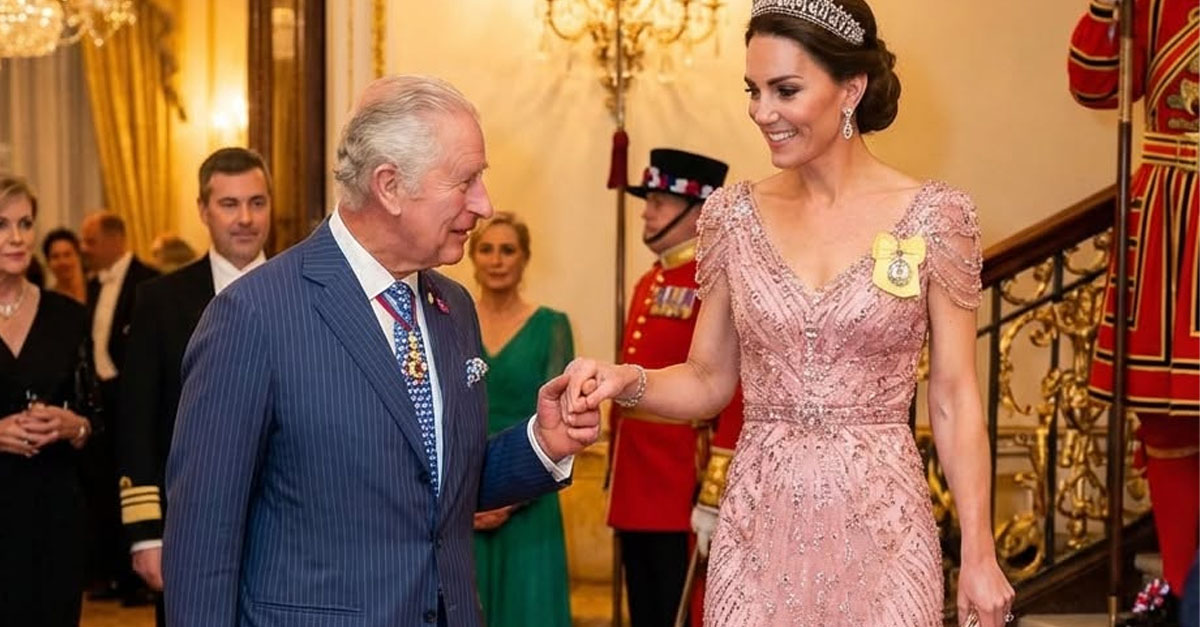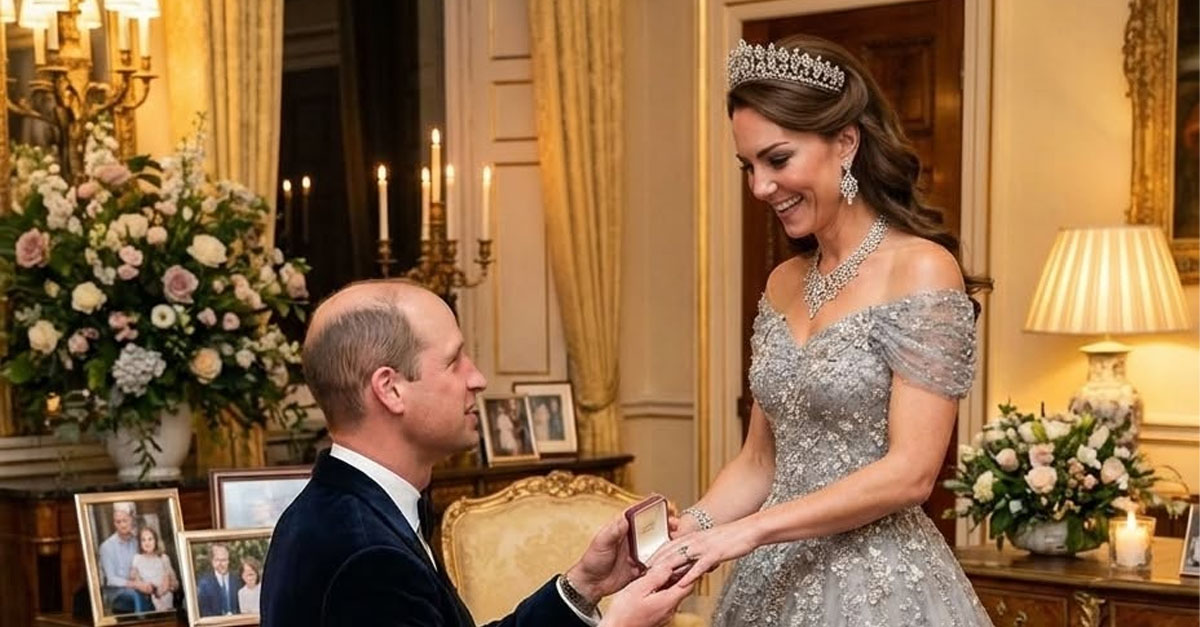
The image is irresistible: Prince William kneeling before Catherine, Princess of Wales, with a mysterious gift and a private moment of renewed commitment. But a compelling story is not necessarily a confirmed one. There is no reliable public evidence that William staged a second proposal for the couple’s 15th engagement anniversary. The dramatic account appears to be a rumor or fictionalized social-media-style claim, not an event verified by the couple or reputable news organizations.
That distinction matters. Royal milestones attract intense interest, and unconfirmed stories can quickly be repeated as fact. Here is the real history behind the anniversary—and how to assess claims of a surprise royal gesture.
The engagement that actually happened
William and Catherine announced their engagement in November 2010. They had met while studying at the University of St Andrews in Scotland, where their friendship developed into a relationship. William proposed during a private trip to Kenya, according to accounts given at the time.
The engagement announcement also introduced Catherine’s ring to the public: the sapphire-and-diamond ring that had belonged to William’s mother, Diana, Princess of Wales. William later explained that giving Catherine the ring was a way of ensuring his mother was part of the occasion.
The couple married at Westminster Abbey on April 29, 2011. Their engagement anniversary is therefore in November, while their wedding anniversary falls in April—two separate dates that are sometimes confused in online posts.
Is there evidence of a second proposal?
A genuine public event of this kind would normally be supported by credible reporting, an official statement, or clear documentation from the couple’s representatives. The story described in the “second proposal” claim does not provide verifiable details such as a date, location, named witnesses, or an attributable source.
Without those details, it should not be presented as fact. The language used in the claim—“onlookers completely speechless,” a “mysterious gift,” and tear-filled glances—creates a vivid scene but does not establish that the scene occurred. Emotional detail can make a story feel authentic even when its factual basis is unclear.
Why royal anniversary rumors spread
Royal relationships are a popular subject because they combine public history with private life. Anniversaries invite reflection on how a couple first met, how their relationship changed, and what major events they have experienced together. That interest can also encourage speculation about private celebrations.
Social platforms reward posts that are dramatic and easy to share. A headline announcing a romantic surprise is more likely to attract attention than a careful explanation that no confirmation exists. Repeated reposting can then make an unsupported claim appear widely established.
This is why it helps to separate three things:
- Confirmed information: supported by official sources or reliable reporting.
- Plausible but unverified information: possible, but not documented well enough to treat as fact.
- Fiction or promotional storytelling: written to entertain or attract engagement, rather than report a verified event.
The “second proposal” account belongs in the unverified category unless credible evidence emerges.
How to check a royal-news claim
Before sharing a dramatic story, look for the basics:
- Check the date. Is the story tied to the actual engagement or wedding anniversary?
- Find the original source. Does it cite a named reporter, official announcement, or first-hand witness?
- Compare reputable coverage. Have established news organizations independently reported the event?
- Look for specific evidence. Are there confirmed photographs, a location, or attributable details—or only emotive descriptions?
- Watch for recycled material. Old photographs and anniversary stories are often recirculated with new captions.
A lack of coverage does not prove that a private moment did not happen. It does mean that readers should not state it as a confirmed public fact.
What can be said about their relationship
William and Catherine have shared many milestones in public, including their wedding, the births of their three children, and their work as senior members of the Royal Family. They have also spoken publicly about the significance of family life and their shared responsibilities. Those documented parts of their story are meaningful without adding unverified scenes.
The couple’s private relationship remains private in many respects. Respecting that boundary means avoiding confident claims about intimate moments unless the people involved have chosen to share them or reliable reporting supports them.
A romantic headline is not confirmation
The idea of William kneeling again to mark 15 years since his proposal is a romantic one, but it has not been substantiated by reliable public evidence. The confirmed milestones are already remarkable: a proposal in Kenya, an heirloom engagement ring, and a wedding at Westminster Abbey in 2011.
When royal stories combine real dates with cinematic details, a quick source check can make the difference between an enjoyable rumor and accurate reporting. For now, the “second proposal” should be treated as an unverified story—not as a confirmed anniversary surprise.